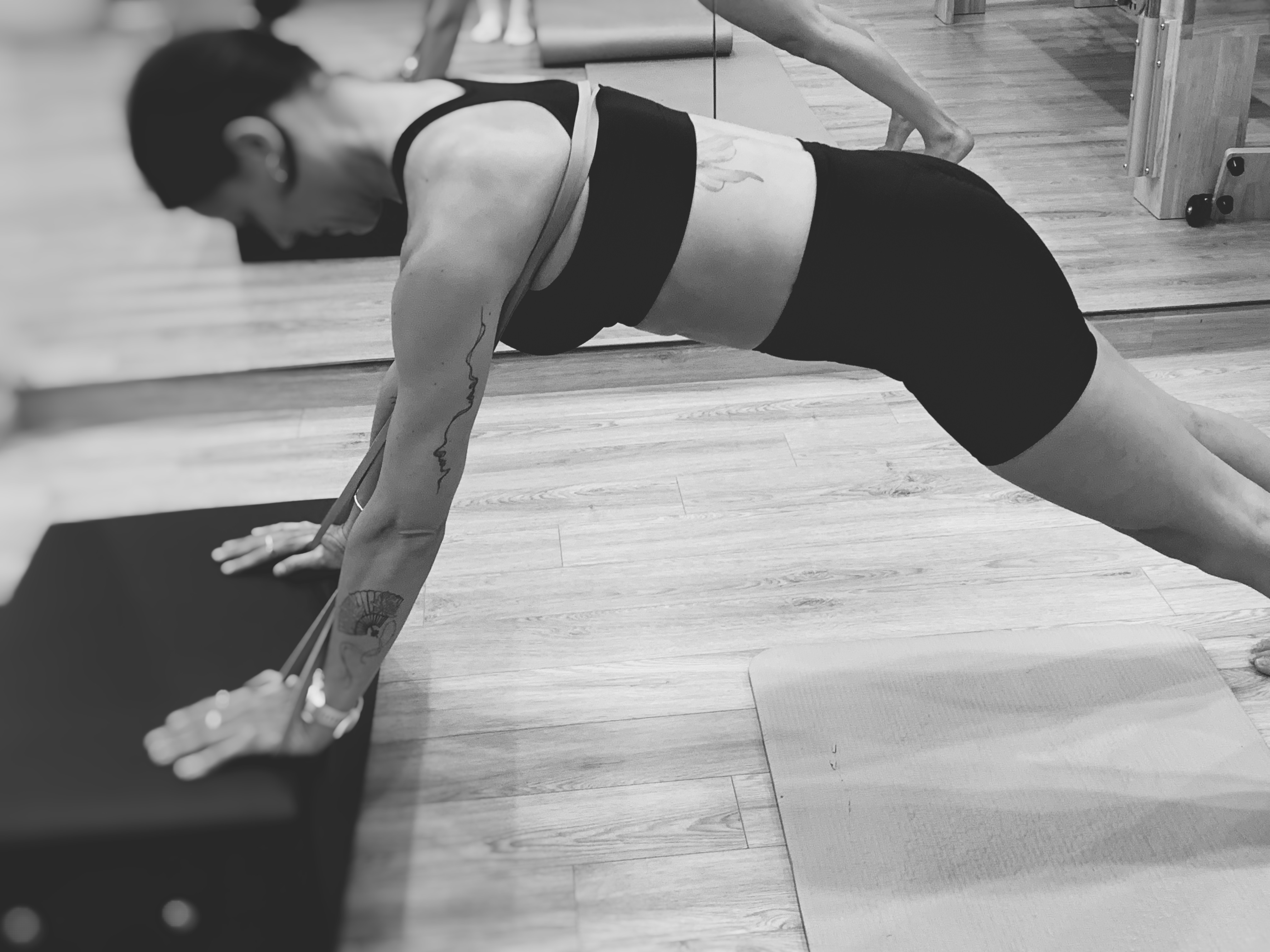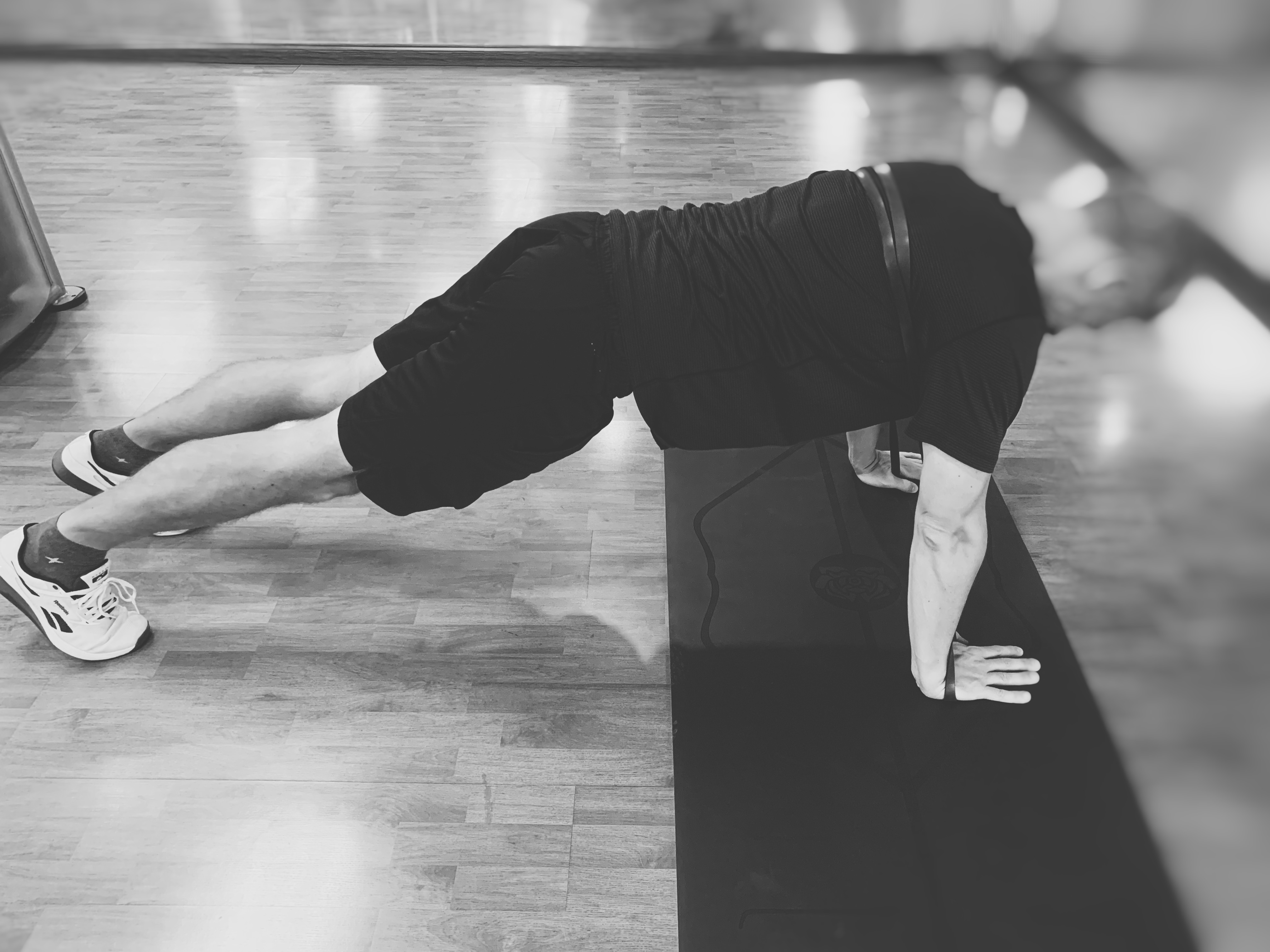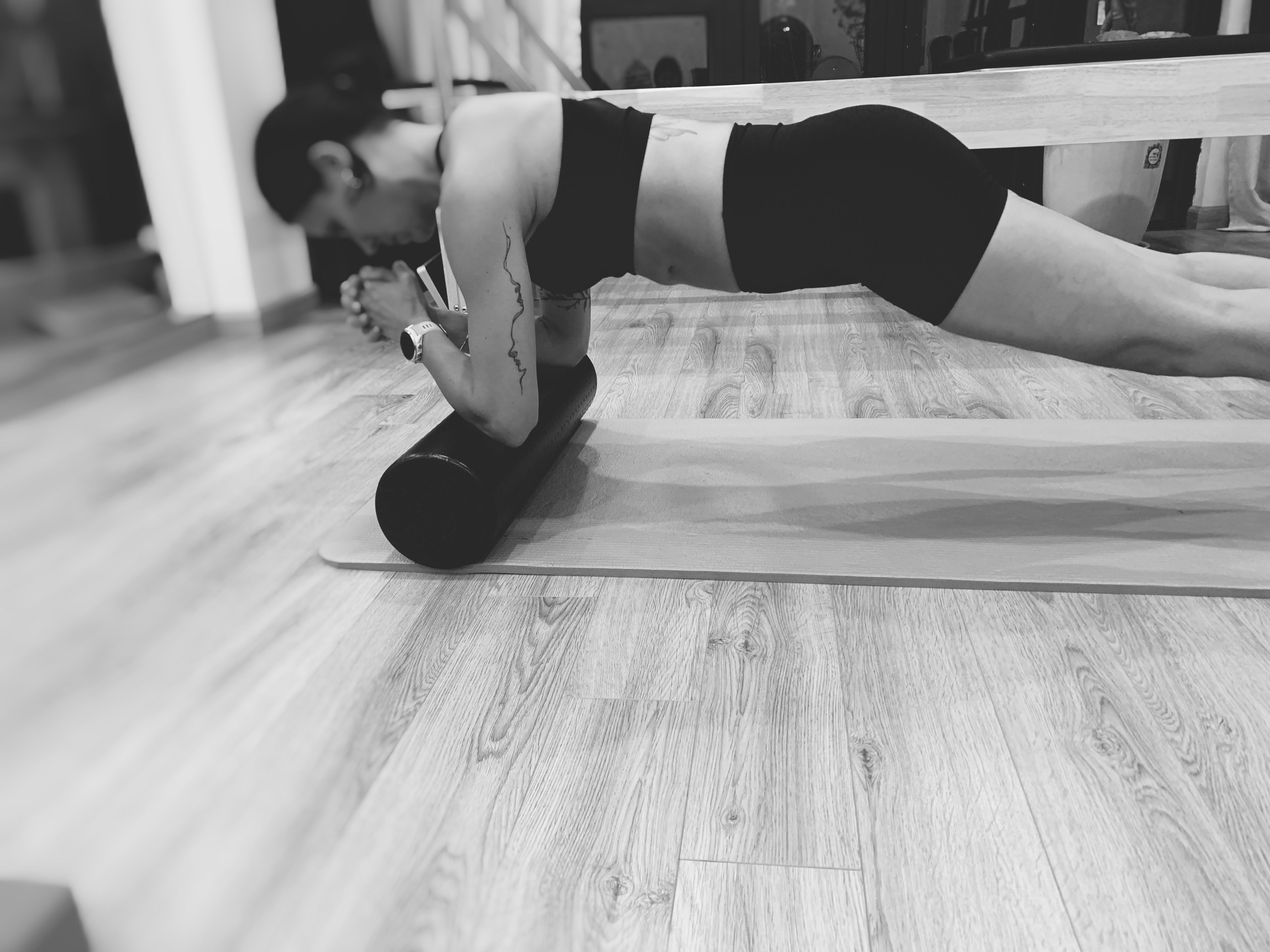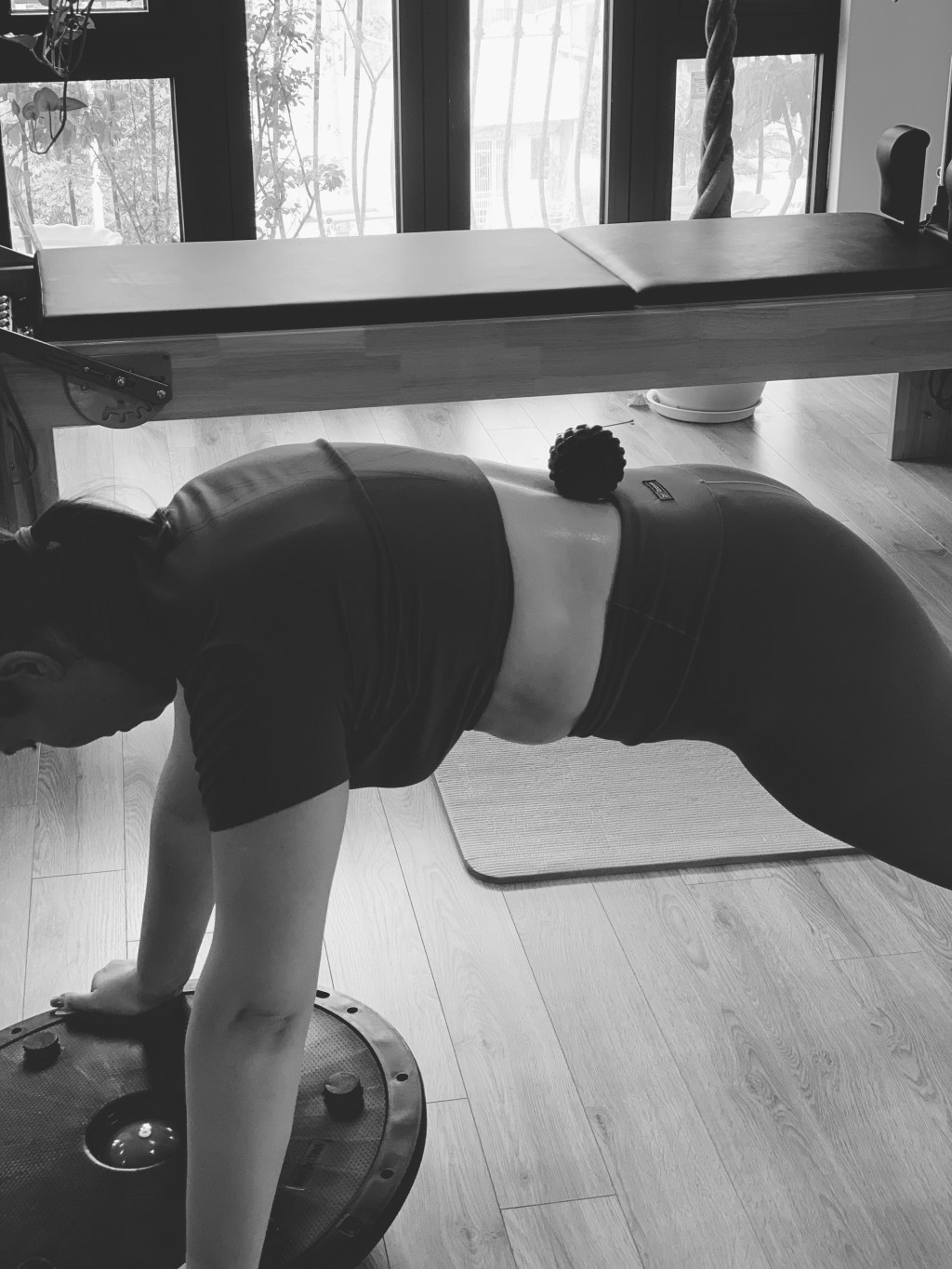
Kowalski et al. (2021) conducted a scoping review to examine muscle activation during different push-up variations and how this information can be used for exercise selection in shoulder rehabilitation. The review included 30 studies with a total of 606 participants. Six push-up variations were included: standard push-up, push-up plus, suspension push-up, unstable push-up, incline push-up, and incline push-up with the hands on an exercise ball. The muscles most consistently studied were the serratus anterior (SA), upper trapezius (UT), middle/lower trapezius, pectoralis major, and triceps brachii.
From a corrective exercise perspective, the study is useful because changing the push-up variation changes the amount and distribution of muscle activity. This means the same basic movement can be modified according to the person’s current strength, control, and rehabilitation stage.
The standard push-up showed high activity in the serratus anterior, pectoralis major, and triceps, moderate activity in the middle/lower trapezius, and low activity in the upper trapezius. The authors suggested that this combination may be useful for people with scapulothoracic muscle imbalance, particularly when the goal is to improve serratus anterior and middle/lower trapezius contribution without increasing upper-trapezius activity.
The push-up plus changes the exercise by adding scapular protraction at the end of the movement. Serratus anterior activity increased compared with the standard push-up, while upper-trapezius activity remained low. This makes the push-up plus a useful option when serratus anterior activation and scapular control are the focus. However, middle/lower trapezius activity was lower during the plus phase, so it would not necessarily be the best choice when the main objective is to increase activity in these muscles.
The incline push-up produced the lowest global EMG activity of the variations included in the review. Muscle activity in the serratus anterior, pectoralis major, triceps, and trapezius was lower compared with the standard push-up. This makes the incline variation useful as a regression when a person needs a closed-chain exercise but is not yet able to tolerate the loading of a standard push-up. The height of the support can also be changed to progressively increase the amount of load placed through the upper extremities.
On the other hand, the unstable push-up produced the greatest overall muscle activity, with a global EMG of approximately 49.6% MVIC. Compared with the standard push-up, pectoralis major, triceps, and serratus anterior activity increased, while upper-trapezius activity also increased substantially. Because of the higher demand. Therefore unstable push-ups are more appropriate for later-stage rehabilitation or general strengthening.
The movement should first be assessed, the exercise selected according to the identified limitation and current capacity, and the response then reassessed. The exercise can subsequently be progressed, modified, or regressed based on the person’s performance and tolerance.
There are several limitations when applying these findings clinically. All participants were young and healthy, without shoulder impairment, so their muscle activation patterns may not be the same as those of individuals with shoulder pain, weakness, or instability. The studies also did not consistently examine the rotator cuff, deltoid, trunk stabilisers, or lower-extremity muscles, even though these muscles can contribute to upper-extremity weight-bearing tasks.
Overall, this review provides useful EMG information for selecting and progressing closed-chain shoulder exercises. It supports the idea that we should not be based on one exercise being universally “correct,” but on modifying the exercise according to the person’s movement, capacity, and rehabilitation stage.