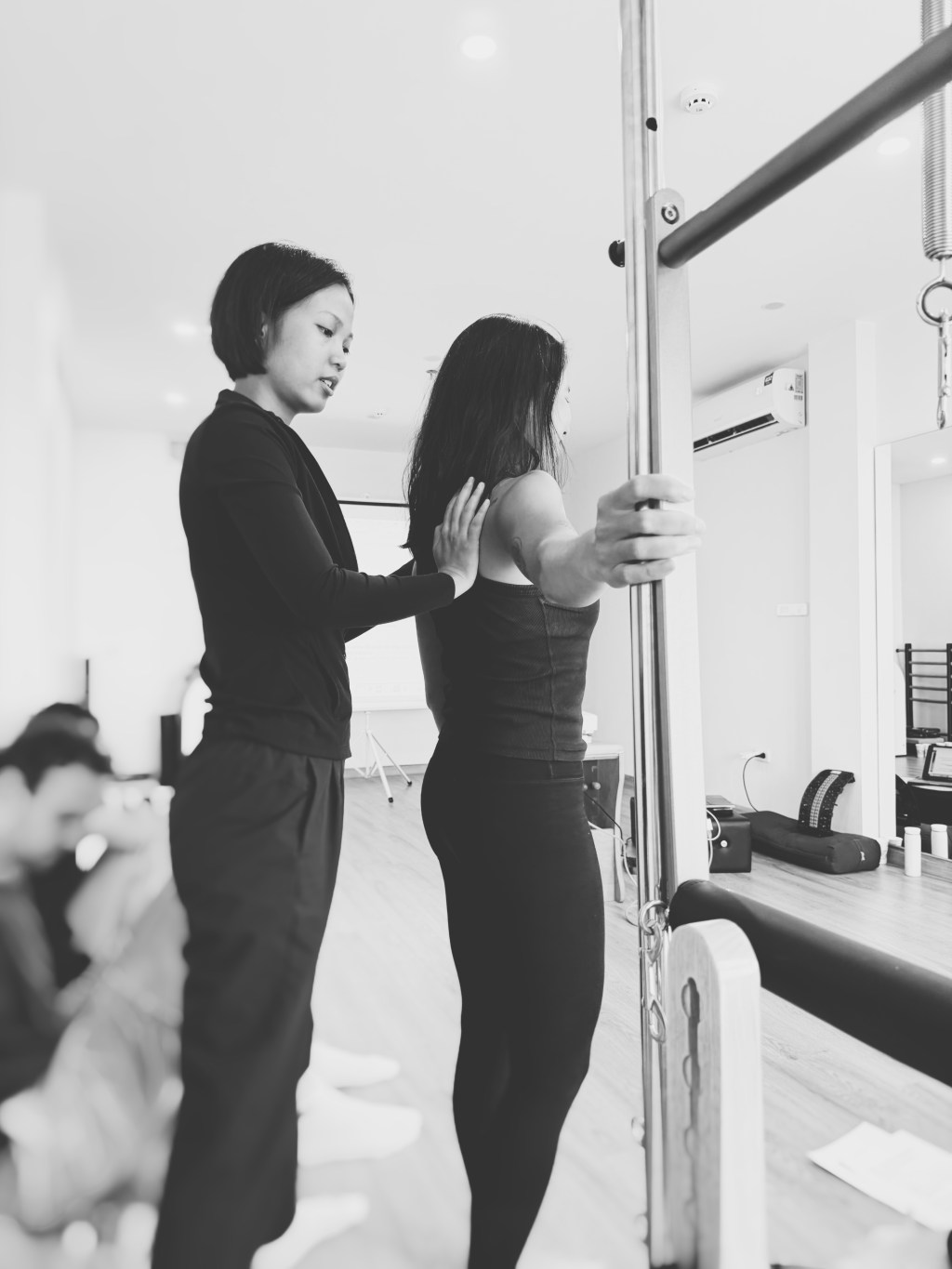
Over the past year, corrective exercise has become a central part of how movement is approached at Mulberry Whale.
Since August 15, 2025, that journey has involved more than 550 one-to-one coaching sessions, alongside extensive study of anatomy, biomechanics, motor control, exercise physiology, and pain science. While the certification represents an important milestone, the greater value has come from translating current evidence into everyday practice and continually refining that process through real-world application.
The aspect of corrective exercise that stands out most is not the exercises themselves, but the clinical reasoning that underpins them.
Rather than focusing solely on symptoms, corrective exercise begins with understanding movement. It asks why a movement strategy has developed, what factors may be contributing to it, and whether that strategy remains appropriate for the individual’s current physical demands. Assessment therefore guides intervention, rather than intervention preceding assessment.
This systems-based approach reflects current understanding that human movement emerges from the interaction of multiple factors, including joint mobility, neuromuscular control, tissue capacity, psychological influences, previous injury, and environmental demands. Consequently, movement cannot be explained by a single muscle or a single structural finding alone.
The more the literature is explored, the clearer it becomes that human movement is both highly adaptable and remarkably complex. Advances in pain science, motor learning, biomechanics, and rehabilitation continue to challenge long-held assumptions and reinforce the importance of remaining curious, critical, and open to new evidence.
That philosophy continues to shape my work at Mulberry Whale.
What is corrective exercise?
Corrective exercise is an evidence-informed process that uses movement assessment to identify functional limitations, compensatory strategies, and opportunities to improve movement efficiency. Individualised exercise is then prescribed to enhance mobility, stability, neuromuscular coordination, strength, and overall physical capacity.
The objective is not to achieve perfect posture or eliminate every asymmetry. Rather, it is to improve movement quality, increase resilience to physical demands, and support meaningful functional outcomes.
Why is corrective exercise integrated into the PTM Method?
Corrective exercise provides a framework for assessment and clinical reasoning. The PTM Method extends that framework by integrating progressive strength training, Pilates, breathing strategies, movement education, and long-term exercise progression.
This combination allows intervention to move beyond symptom management and towards developing sustainable movement capacity that can be transferred into daily activities, work, recreation, and sport.
Who benefits from this approach?
The majority of people attending Mulberry Whale are not competitive athletes. They are professionals, business owners, educators, healthcare workers, and individuals with demanding schedules who require an efficient and structured approach to exercise.
Many present with persistent musculoskeletal discomfort, reduced movement confidence, or a desire to return to physical activity safely. They value understanding the rationale behind their programme and appreciate an approach that is guided by evidence rather than trends.
Why evidence-based?
Evidence-based practice extends beyond applying research findings in isolation. Contemporary healthcare recognises it as the integration of three equally important components: the best available scientific evidence, practitioner expertise, and the individual’s goals, values, and circumstances.
At Mulberry Whale, this principle guides decision-making. Research provides direction, experience provides context, and every programme is adapted to the person rather than expecting the person to fit a predetermined method.
Human movement continues to evolve as a field of research. Our responsibility is to continue learning alongside it.
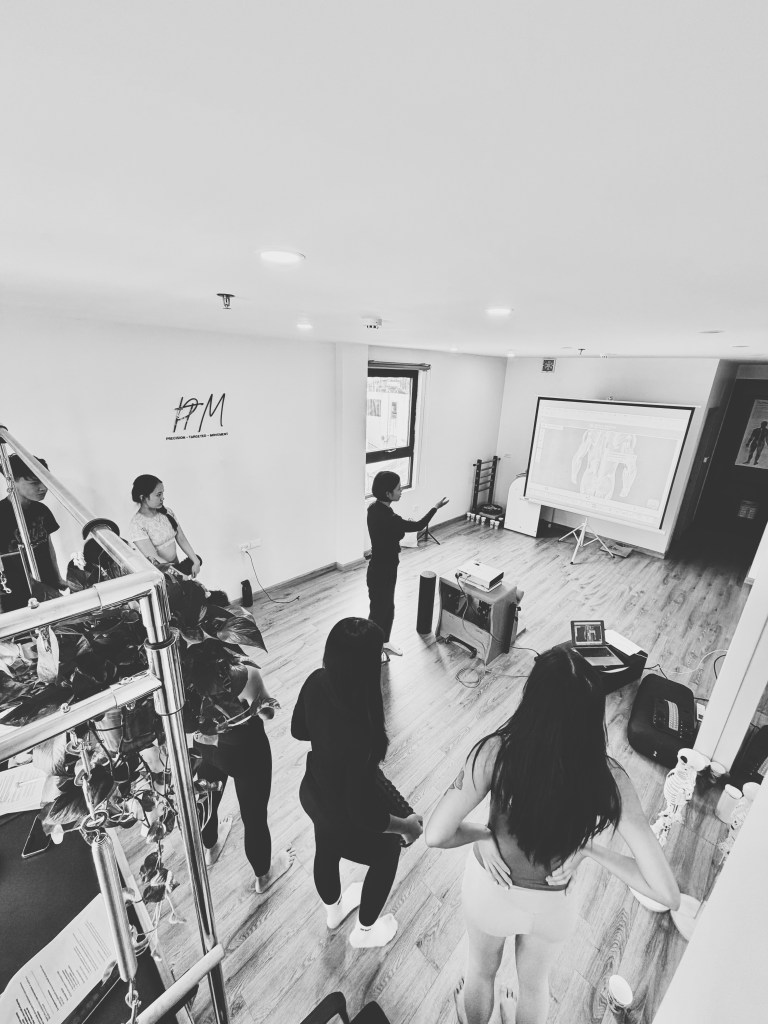
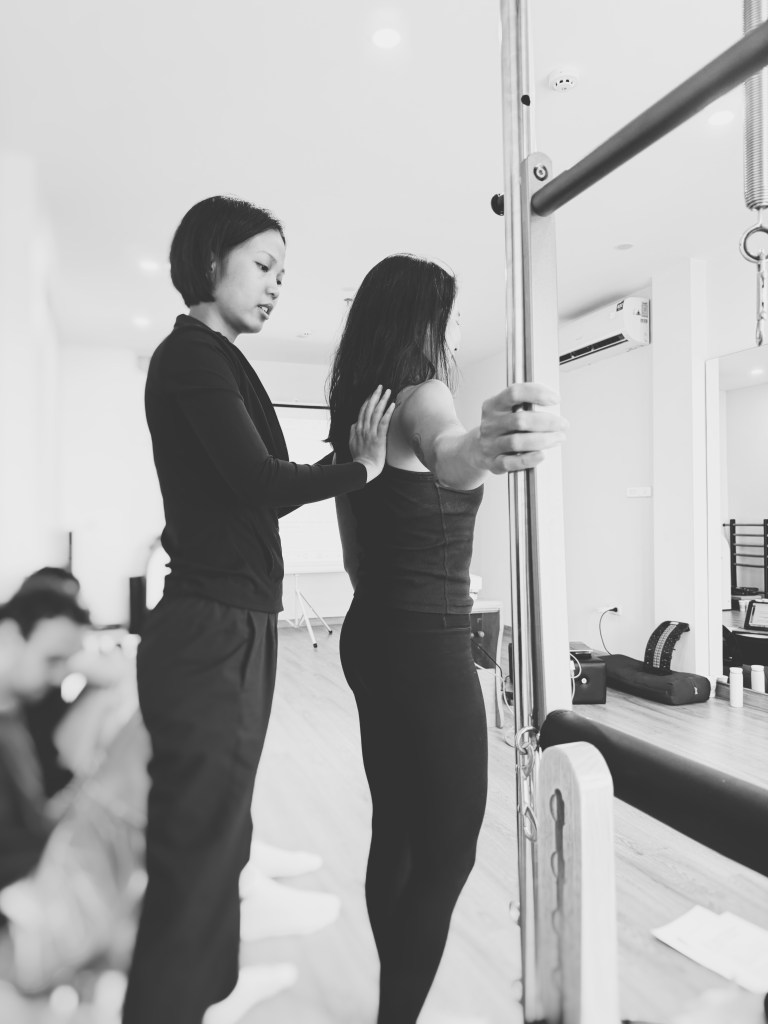
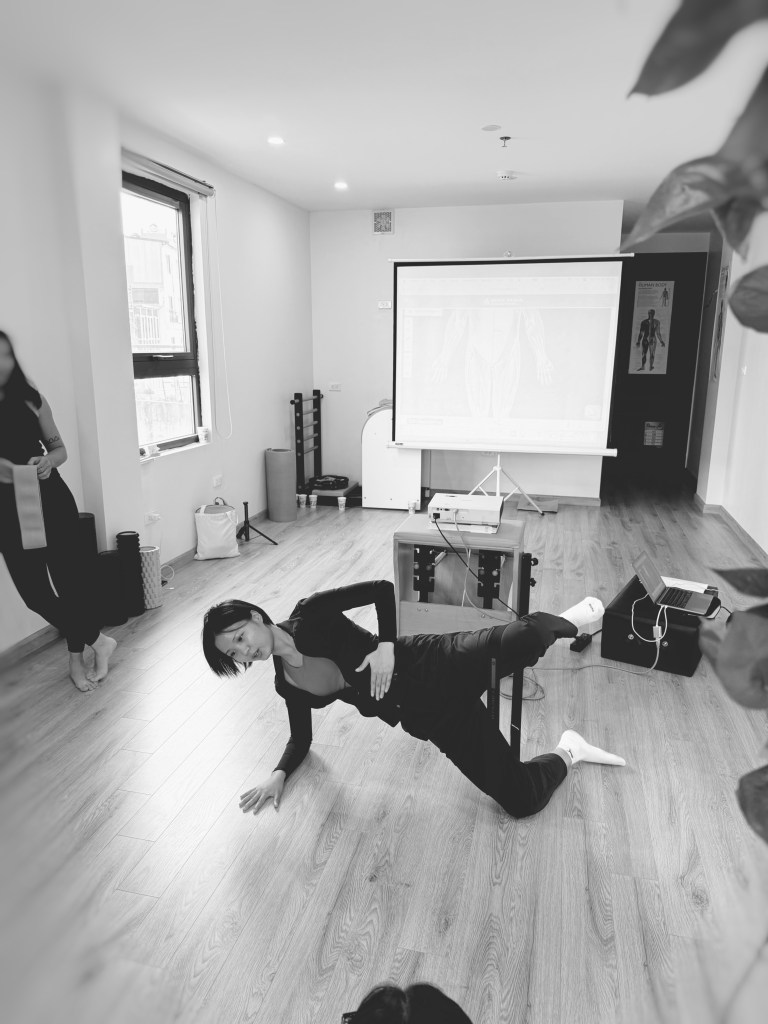
 Mulberry Whale PTM & Corrective Exercise