Category: The Work
-
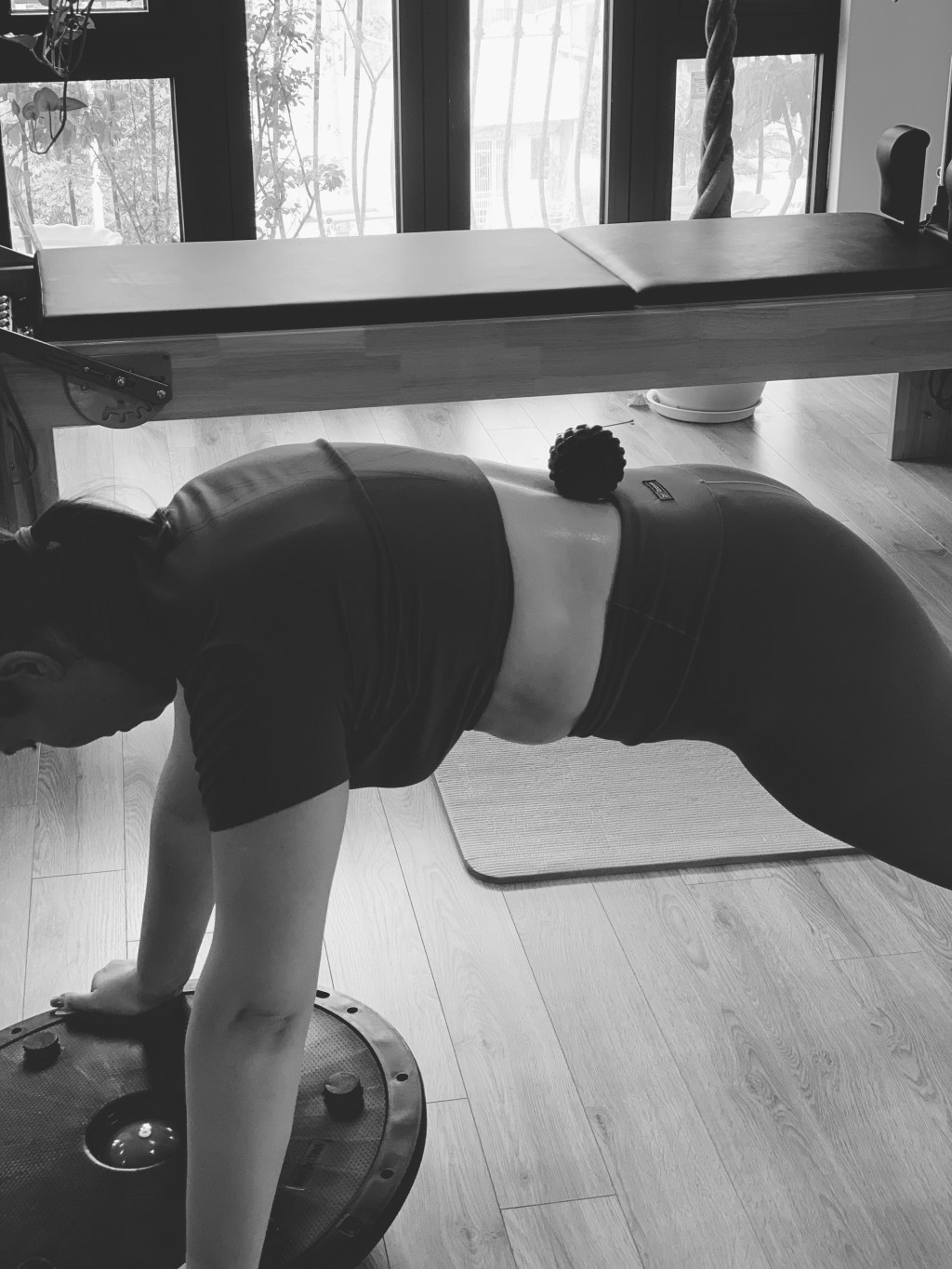
Kowalski et al. (2021) conducted a scoping review to examine muscle activation during different push-up variations and how this information can be used for exercise selection in shoulder rehabilitation. The review included 30 studies with a total of 606 participants. Six push-up variations were included: standard push-up, push-up plus, suspension push-up, unstable push-up, incline push-up,…
-
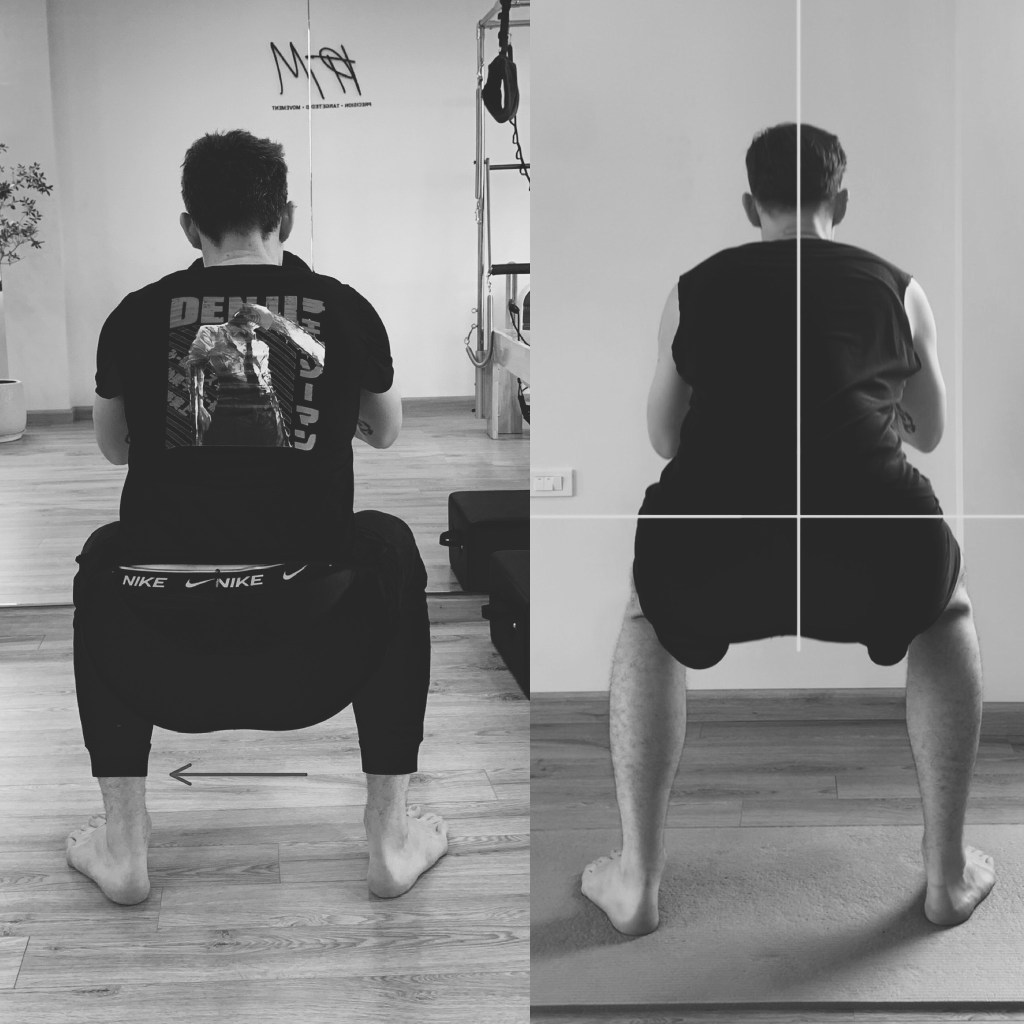
Most of us are not consciously aware of how the body moves, how we carry ourselves through space, or how we load our body during daily activities. For most people, this is not something they need to think about—until the first injury occurs, or unexplained tightness, stiffness, or a persistent ache begins to interfere with…
-
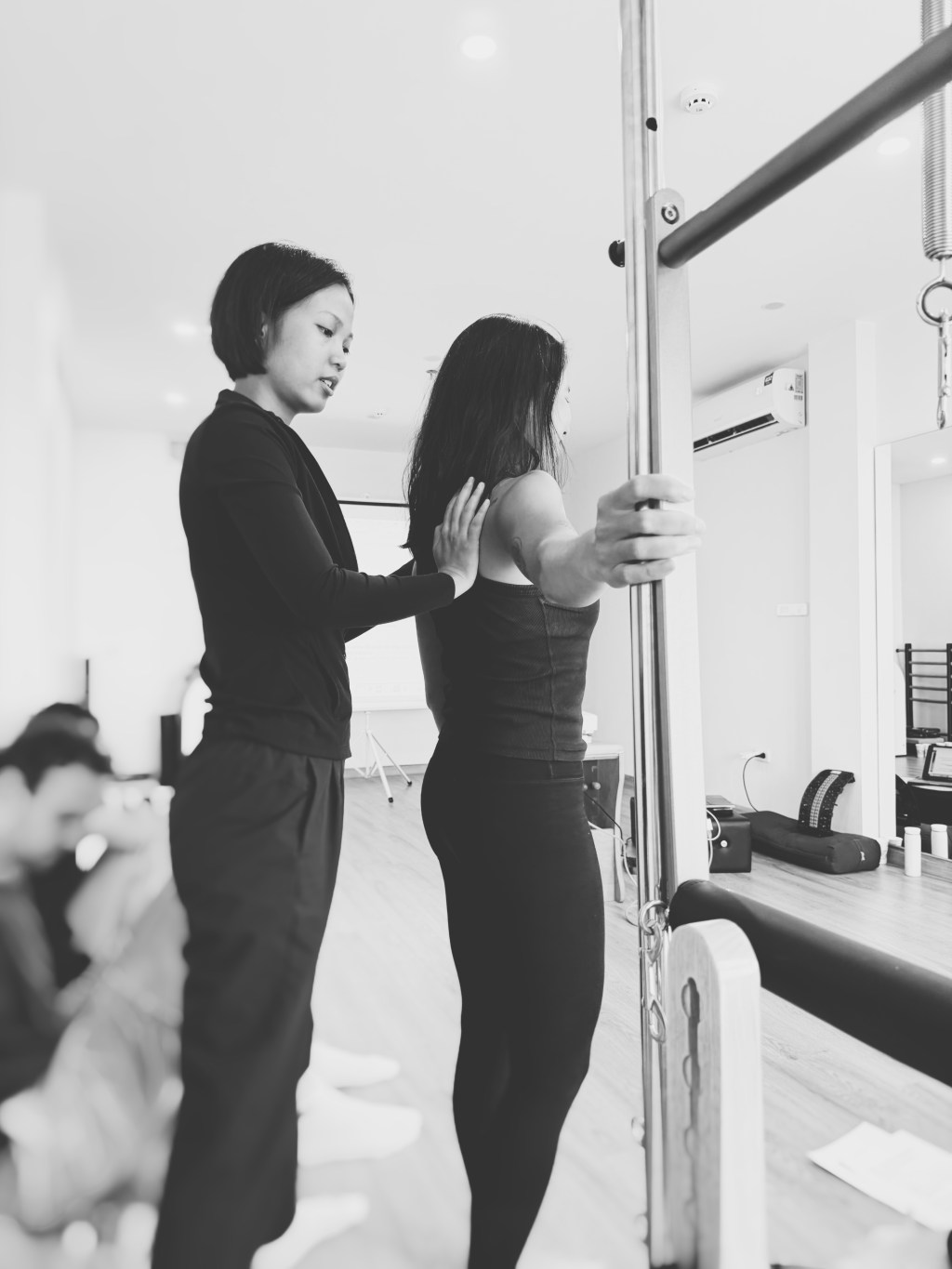
Over the past year, corrective exercise has become a central part of how movement is approached at Mulberry Whale. Since August 15, 2025, that journey has involved more than 550 one-to-one coaching sessions, alongside extensive study of anatomy, biomechanics, motor control, exercise physiology, and pain science. While the certification represents an important milestone, the greater value…
-
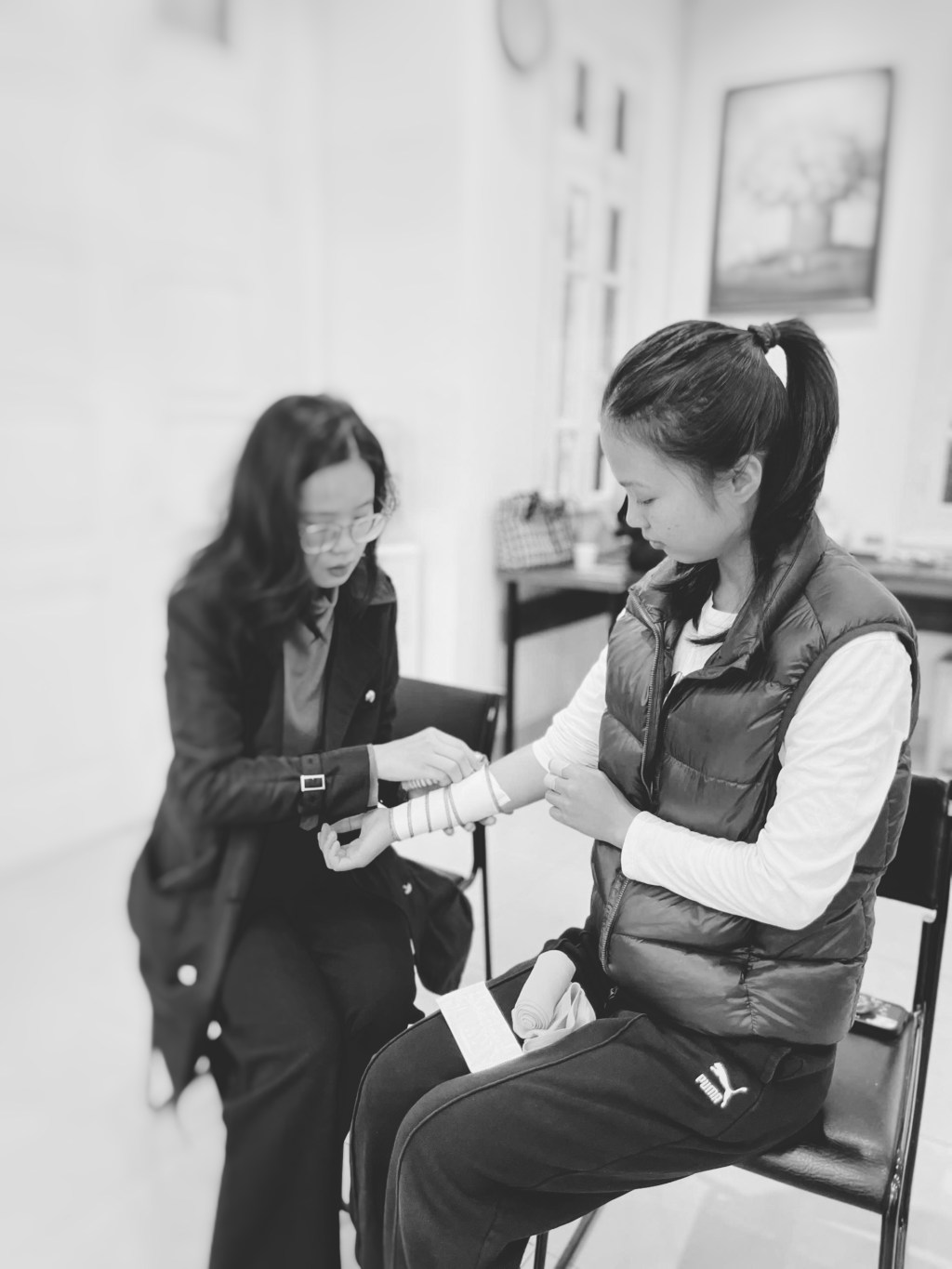
Over the years of working with clients of different ages and backgrounds, I’ve rarely had to deal with a true medical emergency. As movement professionals, we spend one-on-one time with people who may have previous injuries, chronic health conditions, or simply be having a bad day. It is our responsibility to know what is normal,…
-
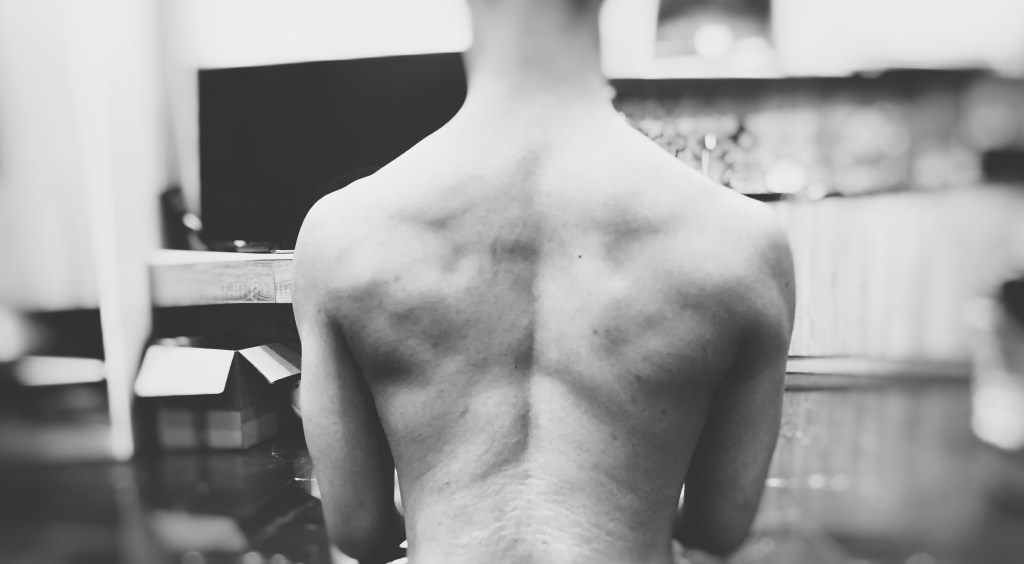
My professional practice initially centred on movement optimisation, postural adaptations, and the management of musculoskeletal pain. Although these remain fundamental components of re/pre/post rehabilitation, my current approach extends beyond restoring movement quality alone. The development of muscular strength, muscular endurance, and cardiorespiratory endurance is equally important, as each represents a distinct physiological capacity contributing to…
-
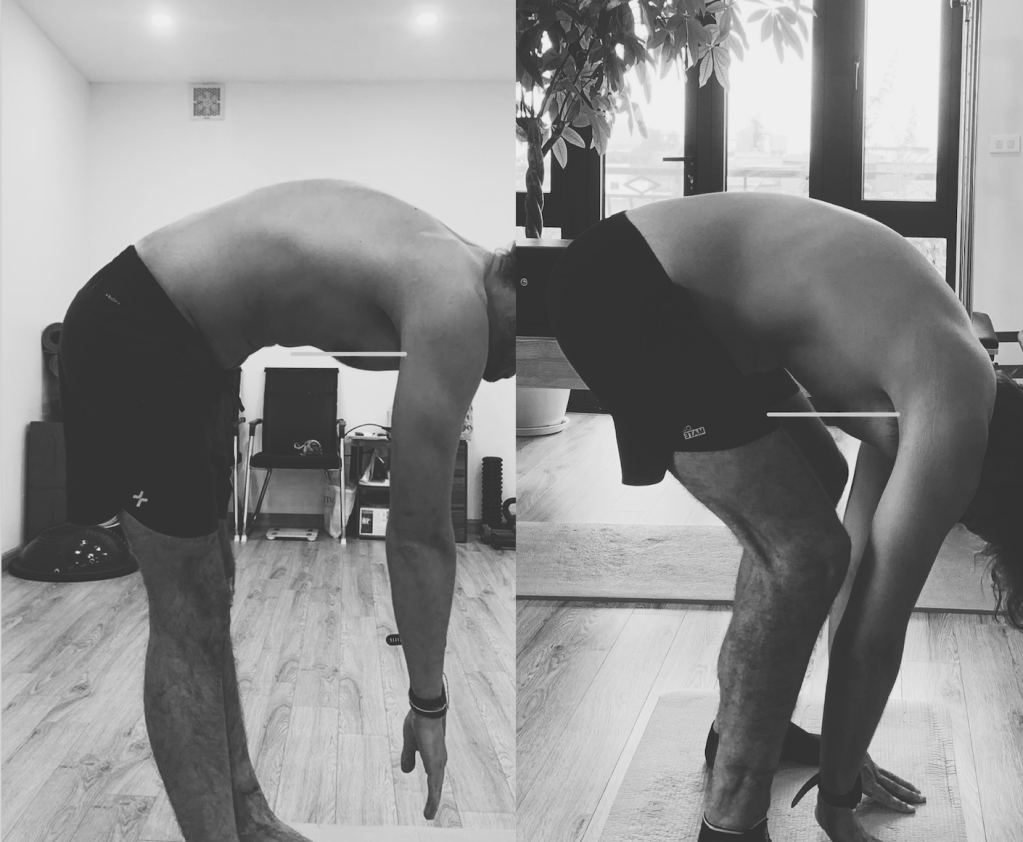
When I first came across this title from the book of Joseph Pilates, I cringed, but I did appreciate the work of art, and not until recently could I stop thinking about the phrase “Return to Life.” In this case of movement, it’s got nothing to do with Pilates, nothing to do with me, or…
-
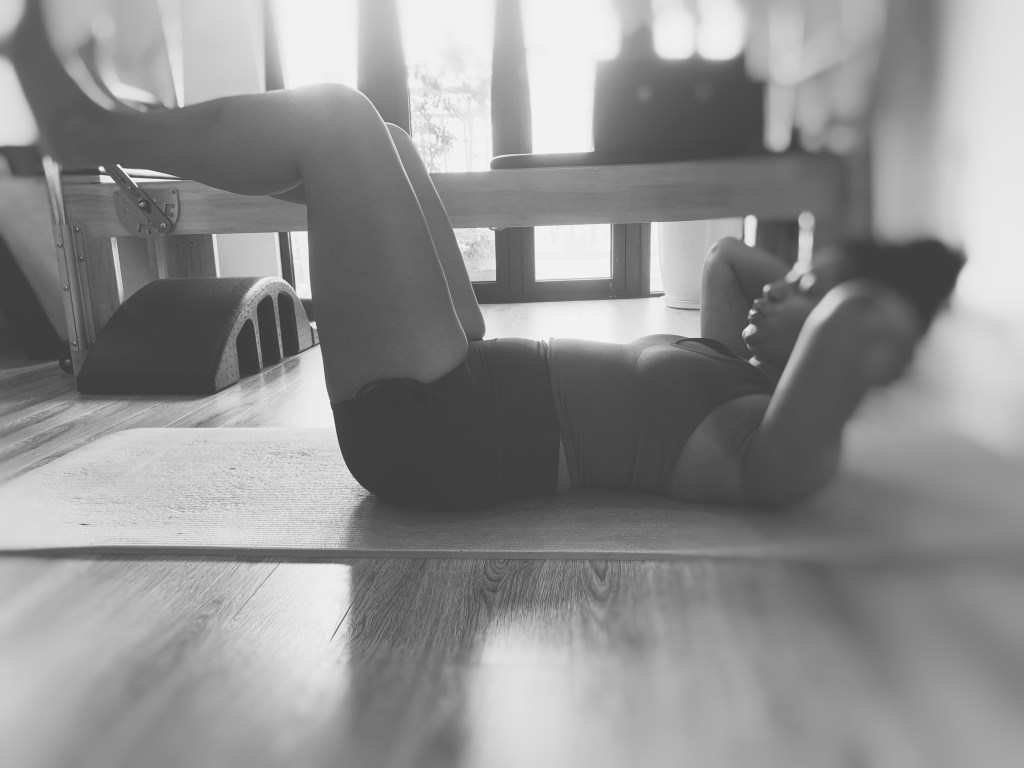
This article is dedicated to mothers whose strength, resilience, and capacity to navigate pregnancy, labour, and recovery continue to shape families and communities. Pregnancy, childbirth, and the postpartum period represent significant biological, psychological, and social transitions that influence physical function and long term health outcomes. Cultural approaches to postpartum care vary considerably across regions. Many…
-
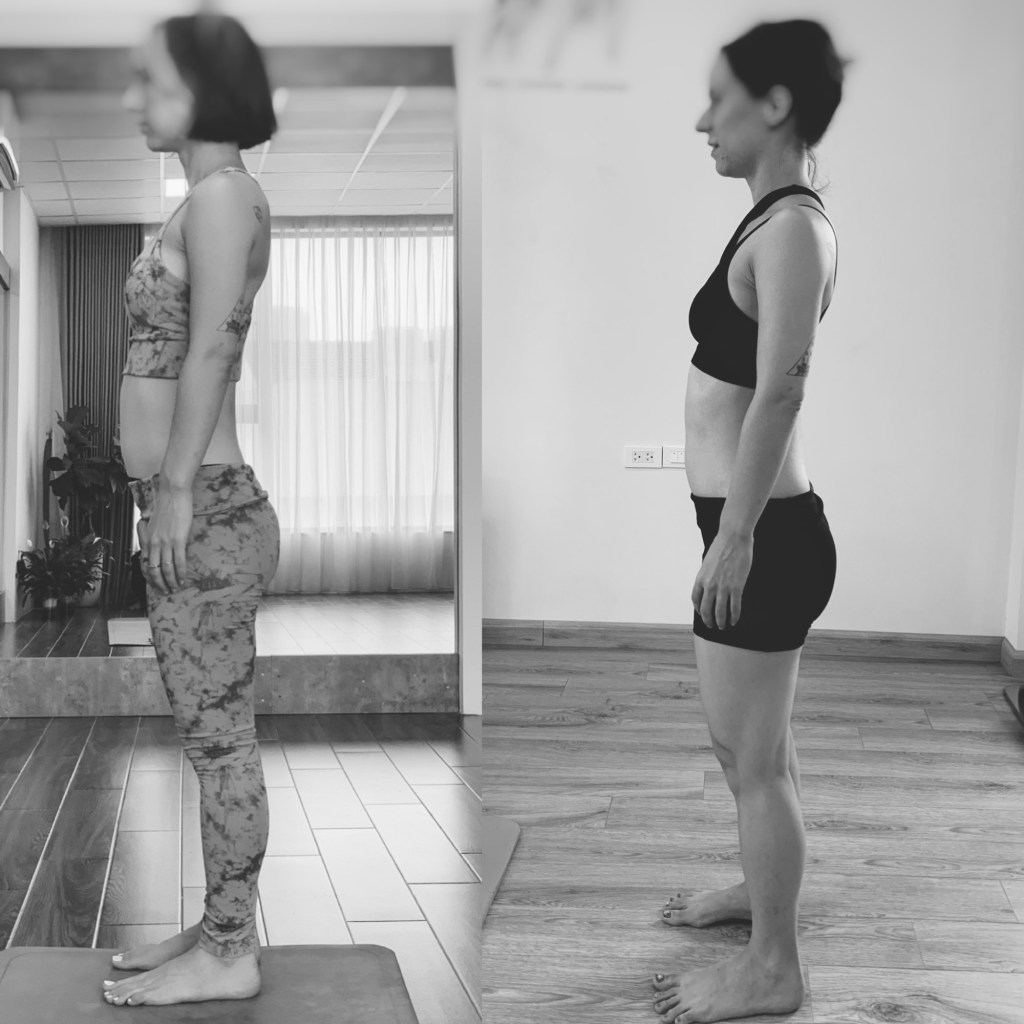
Pain is often expected to follow a simple narrative: a structure becomes damaged, symptoms appear, treatment is provided, and recovery follows. In practice, human health rarely behaves so predictably. Lower back pain illustrates this well. Structural findings do not consistently predict symptoms, symptoms do not always correspond to the site of injury, and recovery rarely…
-
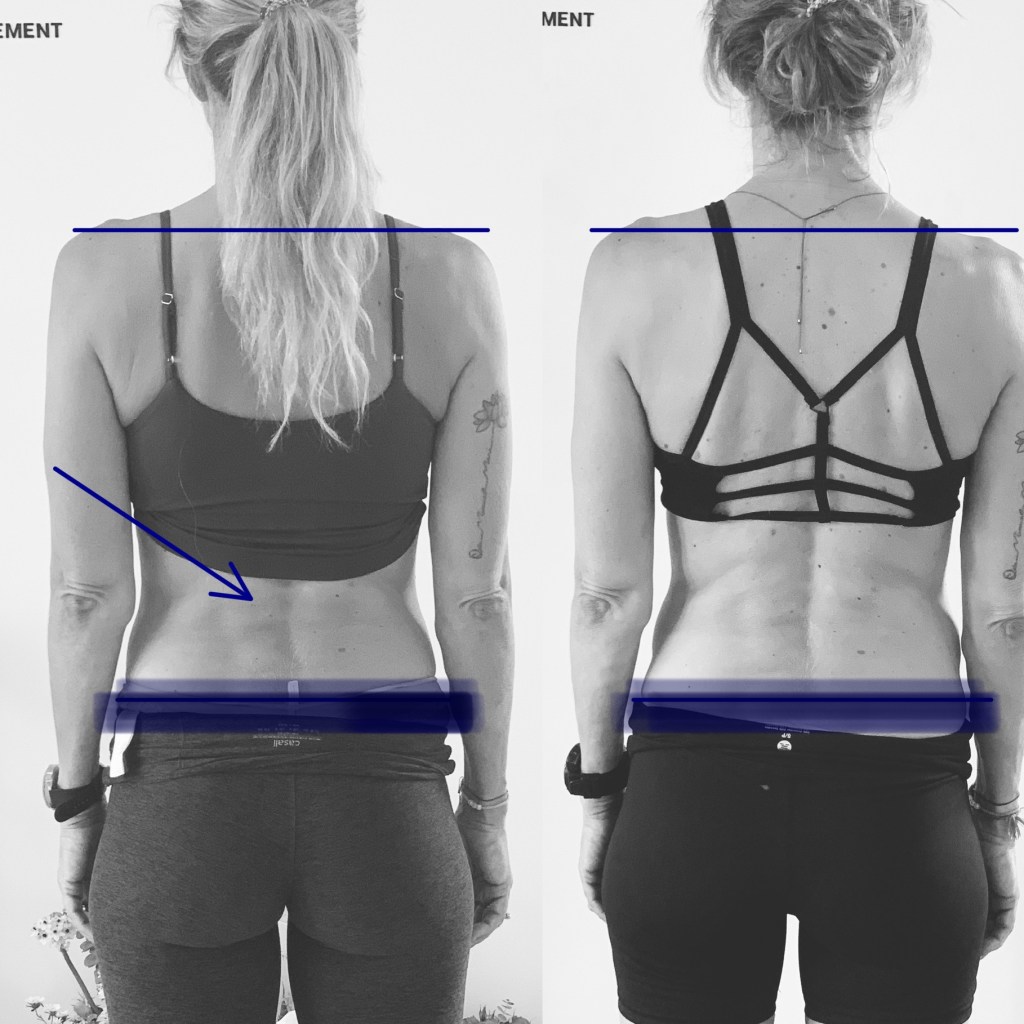
A person may have scoliosis without lower back pain, as not all spinal curvatures are symptomatic. Conversely, lower back pain may create a functional spinal deviation often described clinically as antalgic scoliosis or a lateral shift where the spine deviates in response to pain, disc herniation, nerve irritation, muscle guarding, or altered loading patterns. Unlike…
-
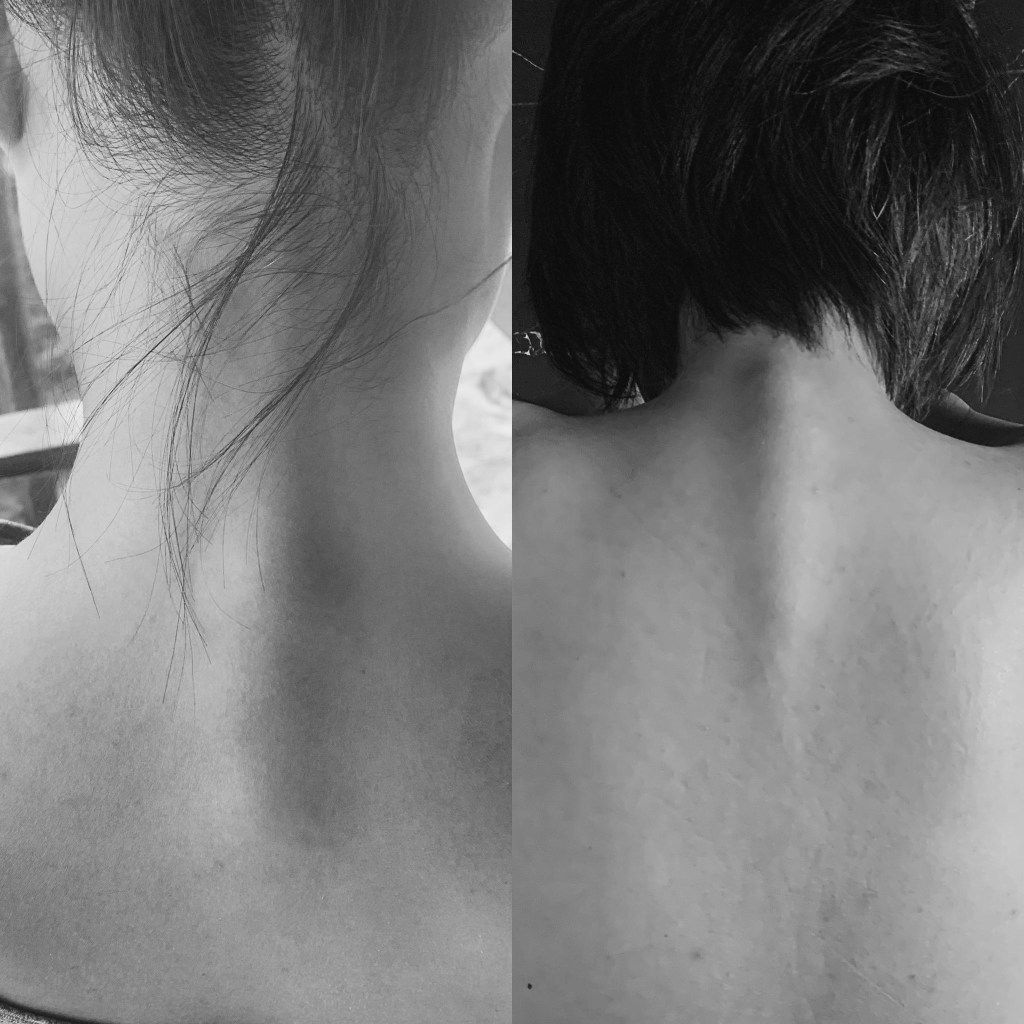
Joint hypermobility exists across a broad spectrum and is found in both active and general populations. It refers to joints that move beyond expected physiological ranges because of differences in connective tissue properties, joint structure, and passive restraint systems. Some individuals present with generalised hypermobility throughout multiple joints, while others display increased motion only in…
-
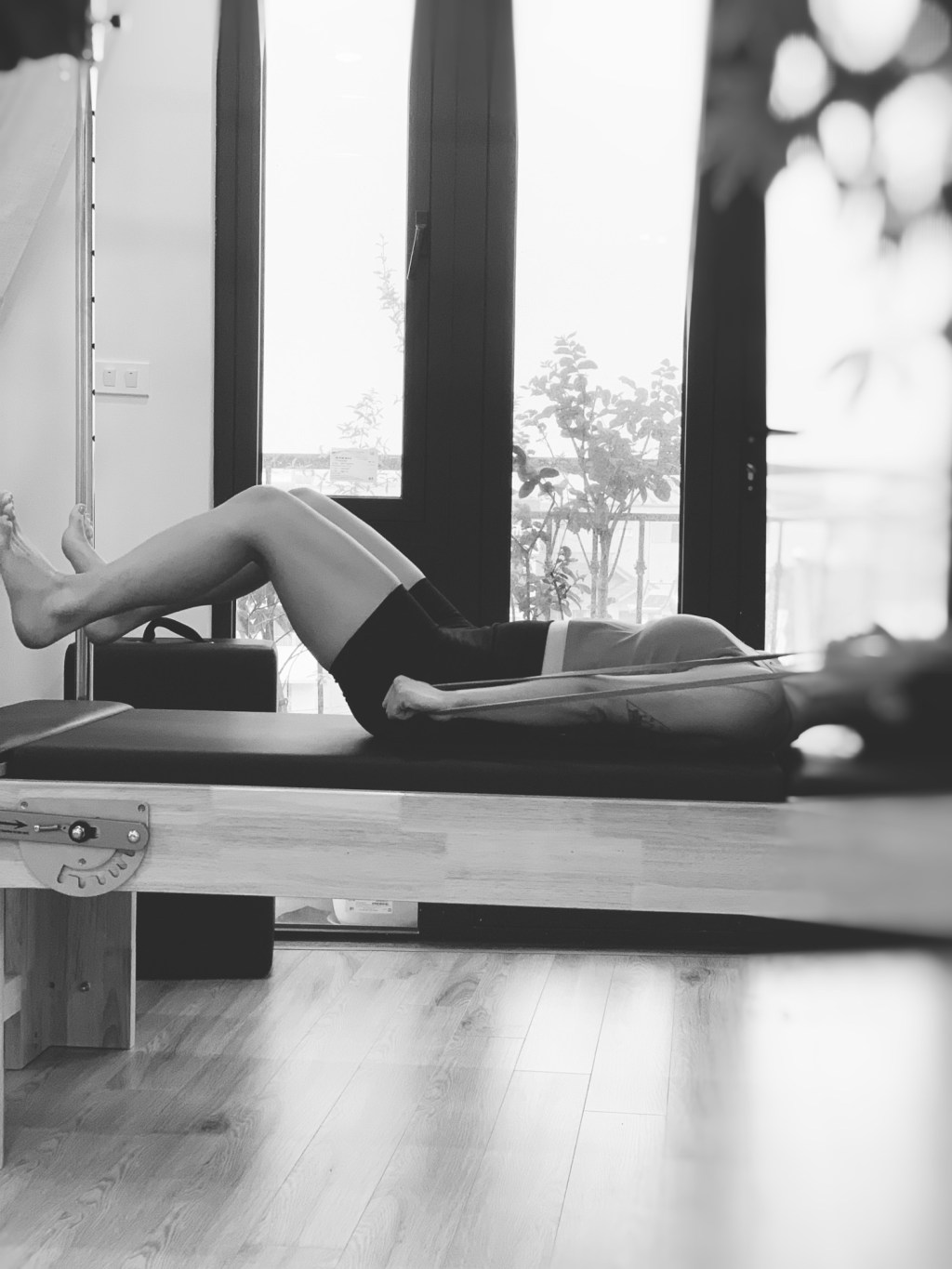
Foot and ankle has been shown to influence proximal joint mechanics through alterations in lower extremity kinetic chain coupling. The foot, ankle, tibia, femur, and hip function as an integrated system, whereby changes in distal joint motion may propagate proximally and affect overall movement strategy. The subtalar joint (STJ) plays a critical role in this…
-
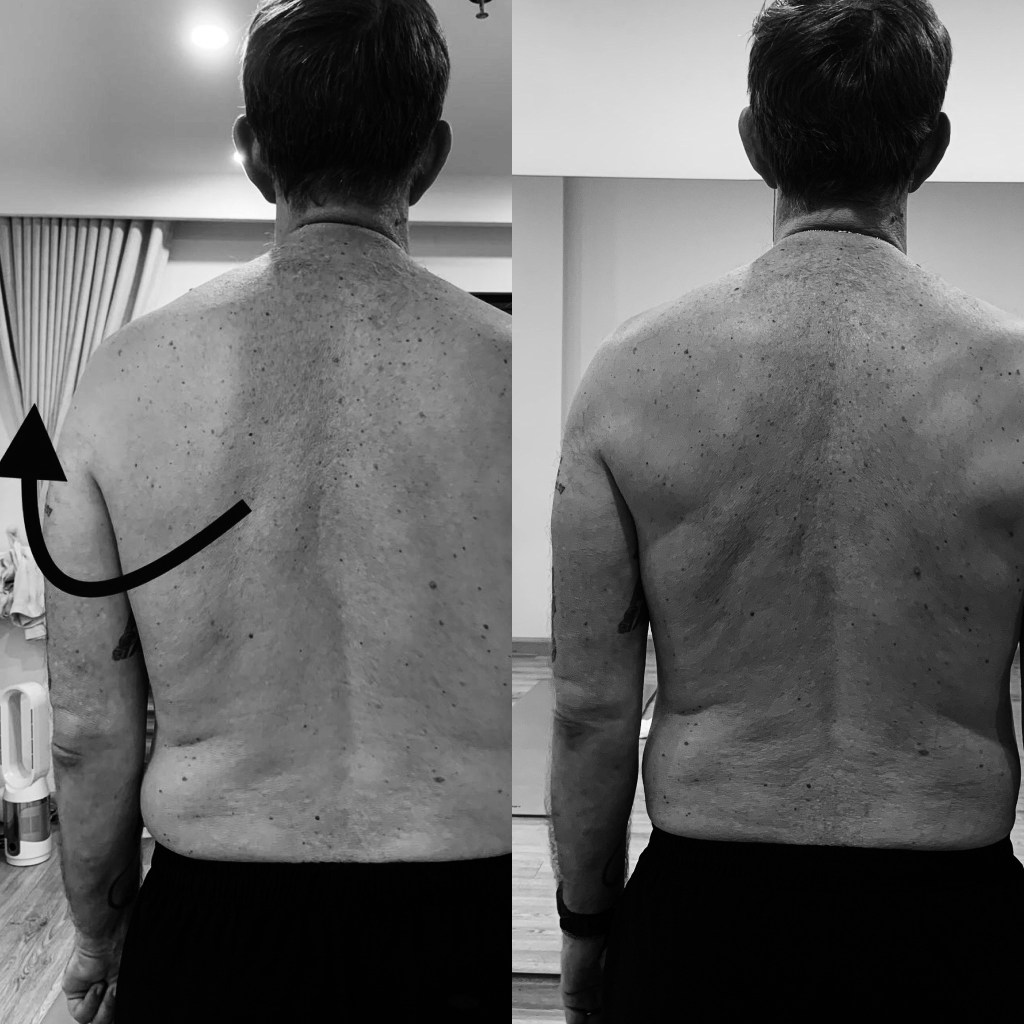
Neck pain is often approached as a local problem of the cervical spine. In many cases, however, the underlying mechanism reflects a broader alteration in neuromuscular control across the cervico-thoracic region. The cervical spine relies heavily on segmental stabilization provided by the deep neck flexors, particularly the longus colli and longus capitis. These muscles function…
-
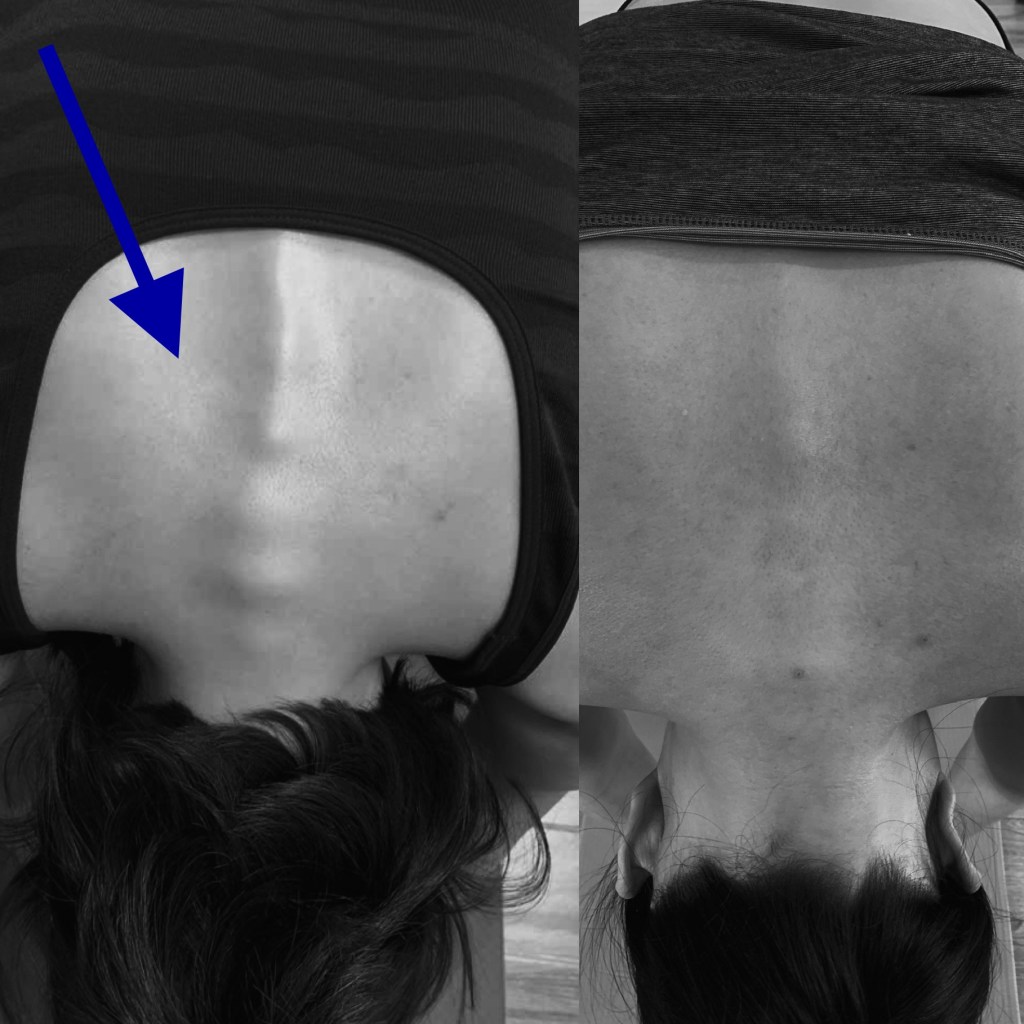
Training approaches often address complex problems by targeting discrete components of the body. A specific muscle, joint, or movement pattern becomes the primary focus of intervention. Although short term improvement may occur, symptoms may recur, leading to the perception that meaningful change has not been achieved. Such outcomes do not necessarily indicate inadequate care or…
-
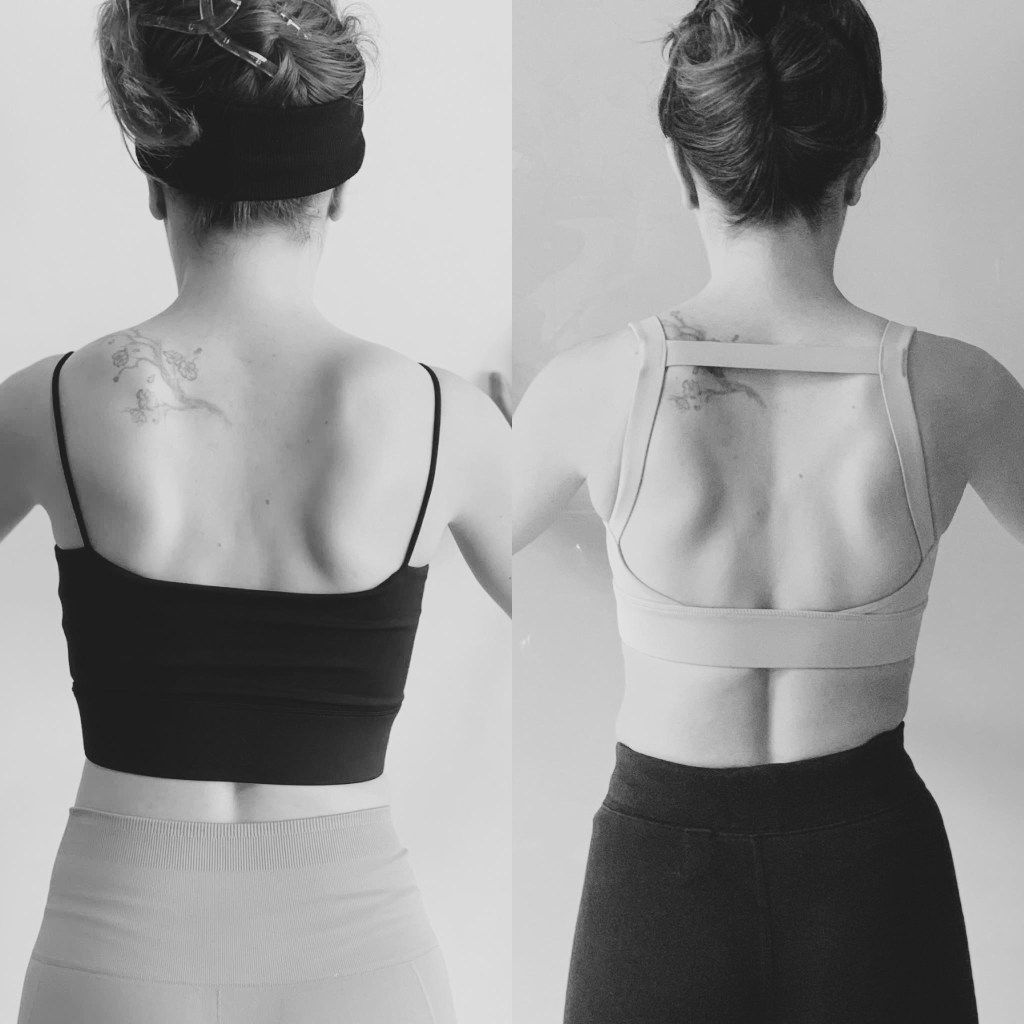
Scapular imbalance is a common postural and movement presentation, frequently observed as unilateral protraction, asymmetrical upward rotation, or medial border winging. Although often regarded as a local shoulder deviation, altered scapular positioning rarely develops in isolation. The scapula serves as a mechanical interface between the upper limb and the axial skeleton. Its orientation is governed…
-

Many young athletes present with a combination of selective joint hypermobility, mild spinal asymmetry, strong global muscles, and poor postural control. This pattern is common in individuals who train regularly yet still experience instability, tension, or difficulty maintaining alignment during movement. Joint hypermobility creates increased range and reduced passive support from ligaments. Research has shown…
-

Lower-back pain often develops gradually. In this case, the discomfort appeared without a clear trigger and persisted for years. Despite regular activity, including yoga, Pilates, and general strengthening, the symptoms continued to return. Sitting remained one of the most aggravating positions, and the pain often resurfaced without warning. A review of daily movement highlighted several…
-
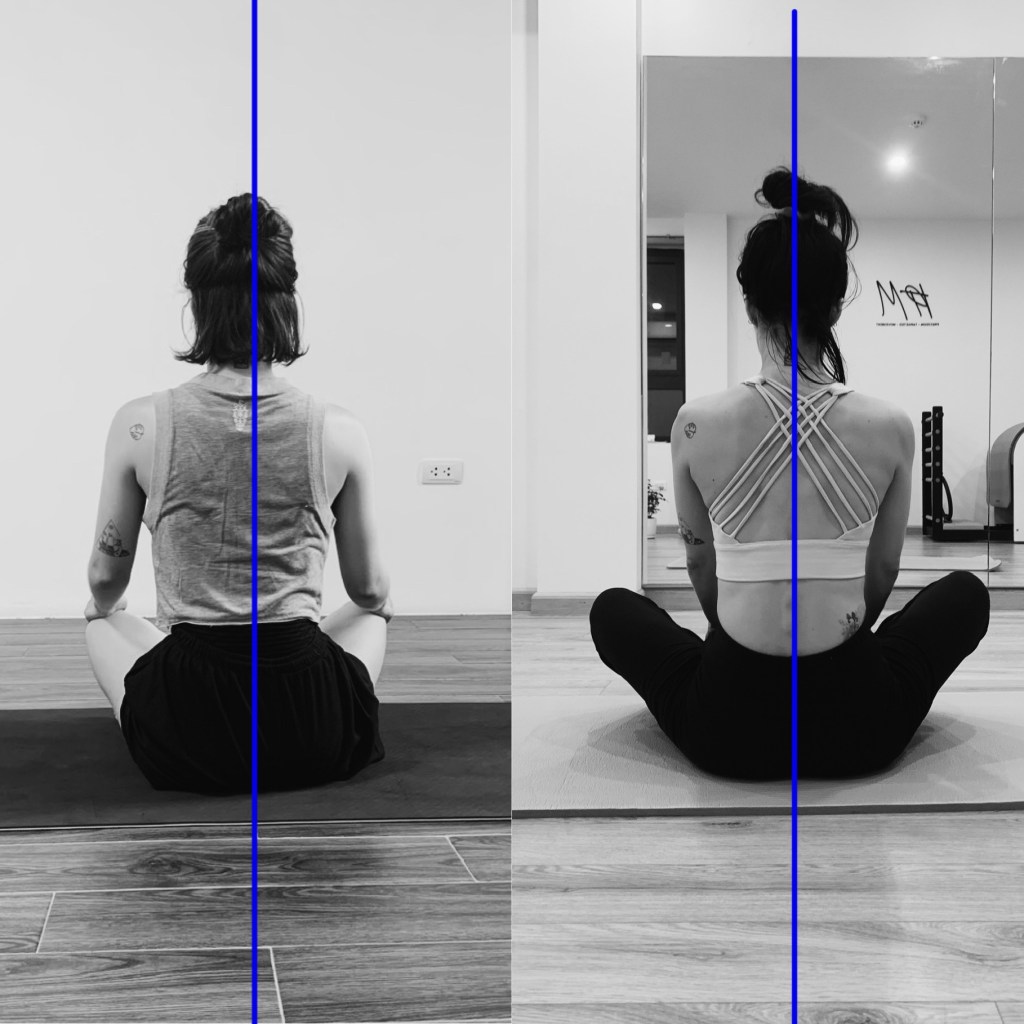
A client with a demanding workload returned with recurrent low back pain after remaining pain-free for almost a year. The pain was not caused by load or impact but developed gradually following repetitive stretching routines she had reintroduced to manage tension. Despite appearing gentle, these repeated movements likely increased segmental stress in an already flat lumbar spine, where local…
-
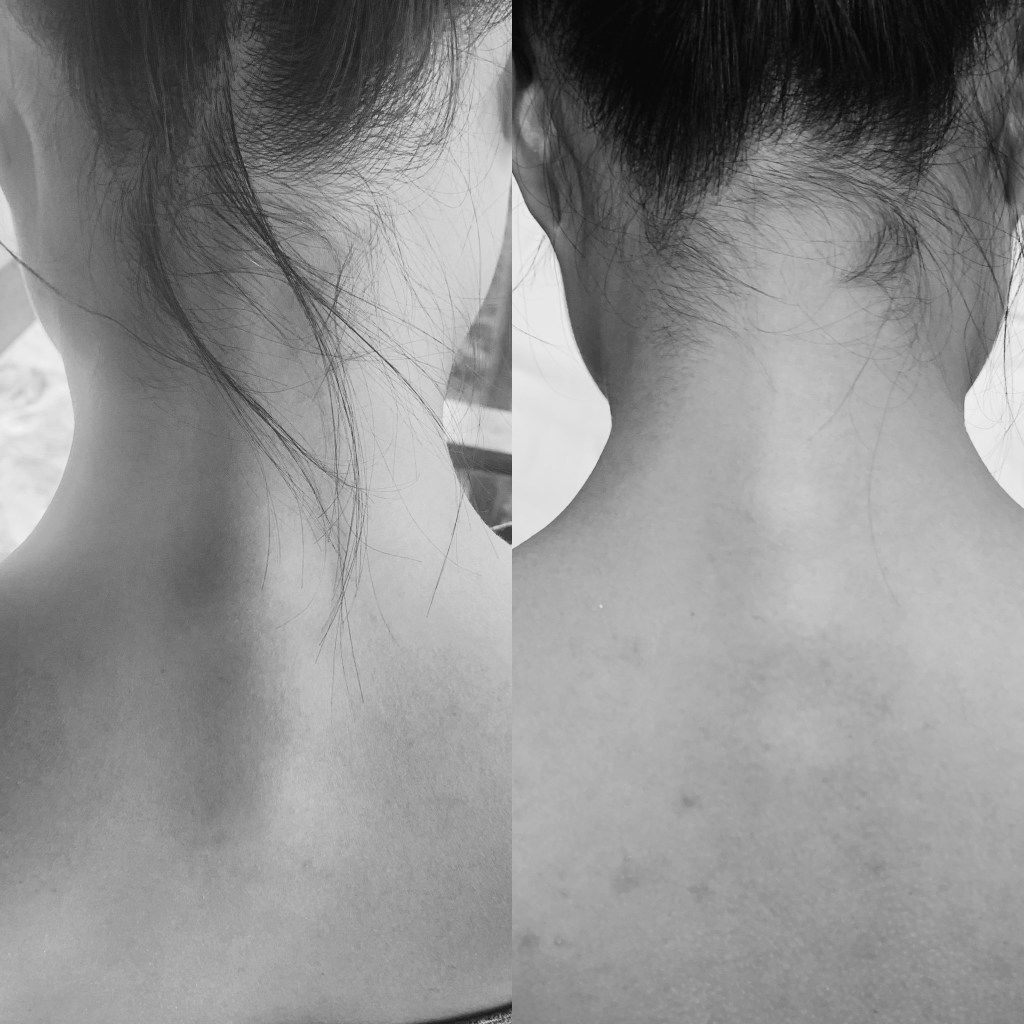
A 26-year-old golf enthusiast developed progressive neck pain after two years of regular practice, averaging up to 200 swings per session with minimal warm-up. The repetitive, high-intensity swing pattern placed continuous rotational stress on the cervical, thoracic, and shoulder regions. The discomfort began as mild stiffness in the left shoulder and upper back following practice.…
-
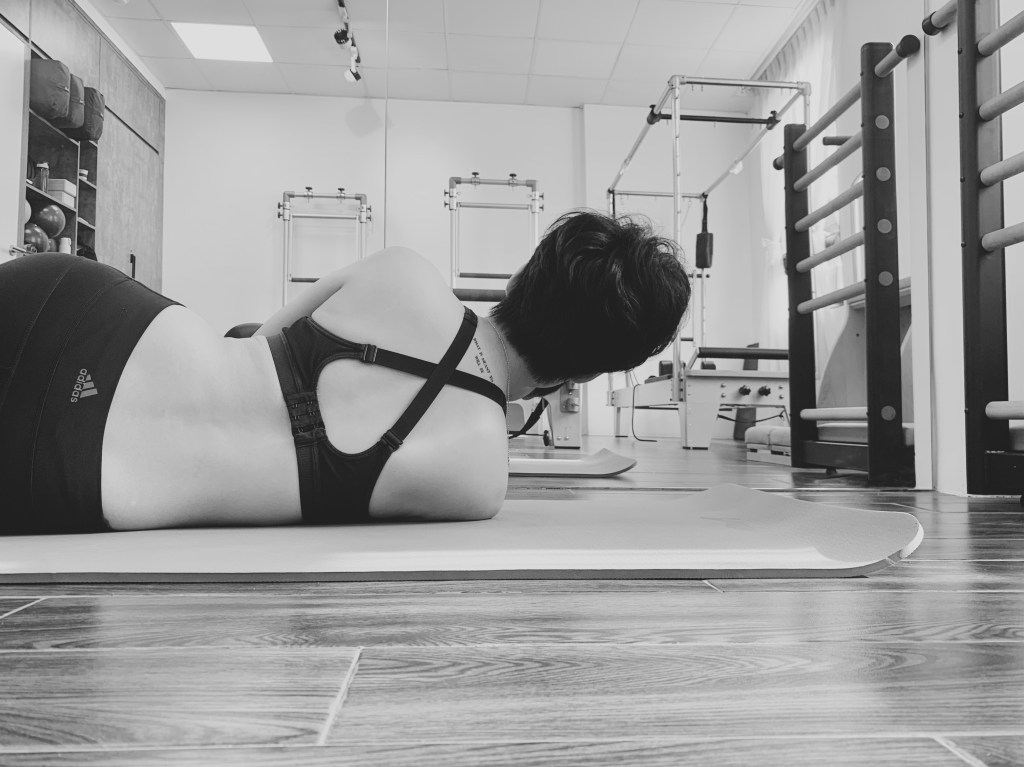
OverviewPreventing a neck hump is considerably easier than attempting to correct one that has already formed. However, postural changes remain possible at any stage if the underlying mechanics are addressed early and consistently. The aim of early training is to maintain mobility through the cervicothoracic junction, preserve muscular balance, and prevent structural adaptation. BackgroundA fifteen-year-old…
-
An 18-year-old martial arts practitioner came in for a complimentary check. At first sight he looked like the picture of health: strong build, high muscle mass, and no major history of injury. Yet he reported ongoing tightness in his neck and shoulders, and a recent consultation had already identified that his neck was not in…
 Mulberry Whale PTM & Corrective Exercise