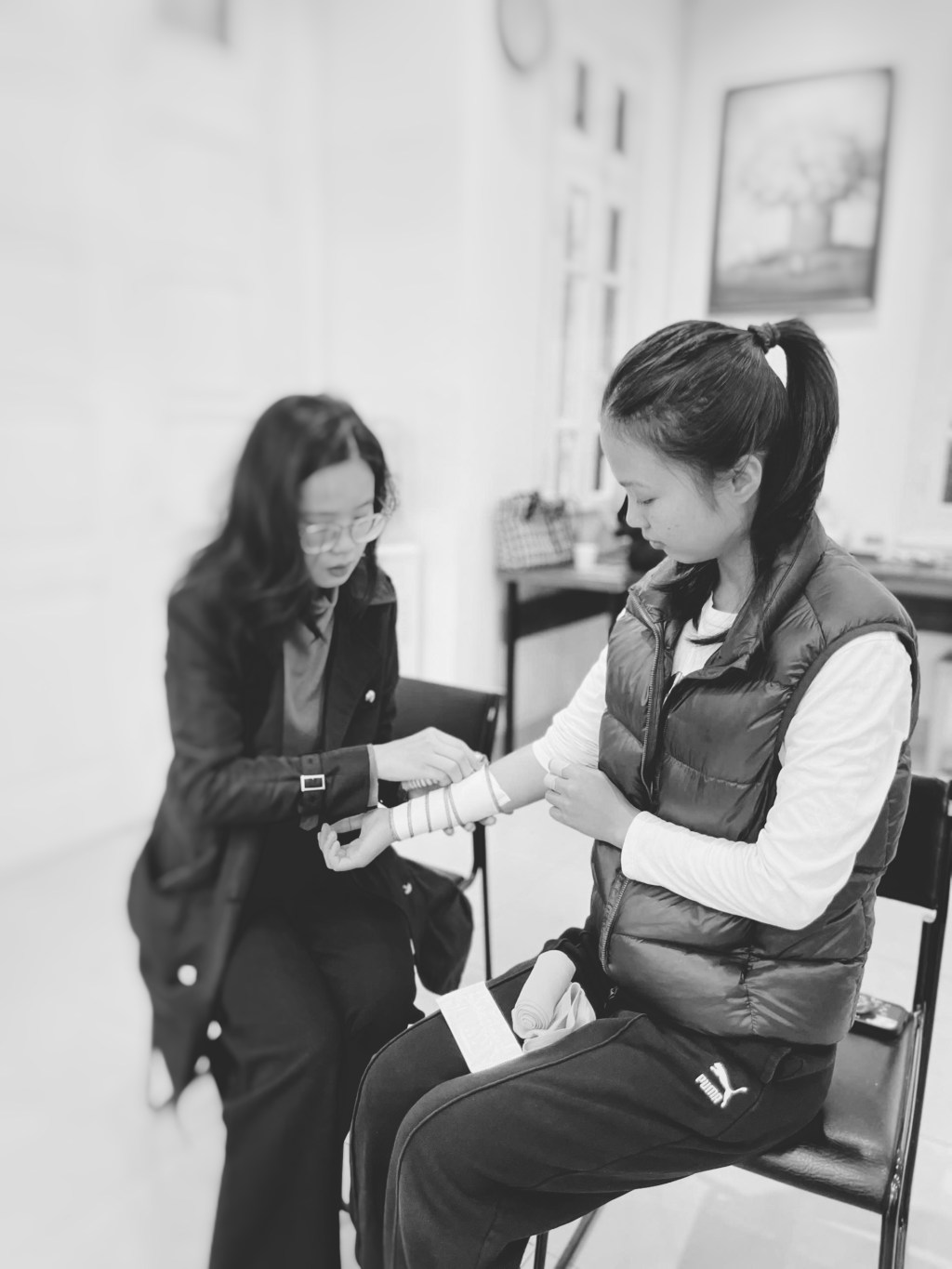
Over the years of working with clients of different ages and backgrounds, I’ve rarely had to deal with a true medical emergency.
As movement professionals, we spend one-on-one time with people who may have previous injuries, chronic health conditions, or simply be having a bad day. It is our responsibility to know what is normal, what isn’t, and when exercise needs to stop.
First aid isn’t an extra qualification to collect. It’s part of creating a safe environment for every client who walks through the door.
Red Flags That Should Never Be Ignored
If a client experiences any of the following, stop the session and assess the situation.
- Chest pain or tightness
- Sudden shortness of breath
- Loss of consciousness or fainting
- Sudden weakness, numbness, or difficulty speaking
- Seizures
- Severe allergic reactions
- Heavy bleeding
- Suspected fractures or serious injuries after a fall
- Confusion or unusual changes in behaviour
- Signs of heat stroke or severe dehydration
Not every red flag is life-threatening, but every one deserves your attention.
Basic Skills Every Trainer Should Have
Every trainer should be confident in the basics:
- Assessing the scene before approaching
- Recognising when an emergency is developing
- Calling emergency services
- Performing CPR
- Using an AED
- Helping someone who is choking
- Controlling severe bleeding
- Placing an unconscious but breathing person into the recovery position
- Monitoring the client until help arrives
These are simple skills, but they can make a real difference while waiting for medical professionals.
Know Your Role
One of the easiest mistakes for trainers is trying to solve problems that are outside their scope.
We are here to coach movement, not diagnose medical conditions. If something doesn’t look right, stop the session, provide first aid if needed, and refer the client to the appropriate healthcare professional.
Sometimes the best coaching decision is knowing when not to continue.
Client safety should always come before finishing a programme or completing a workout.
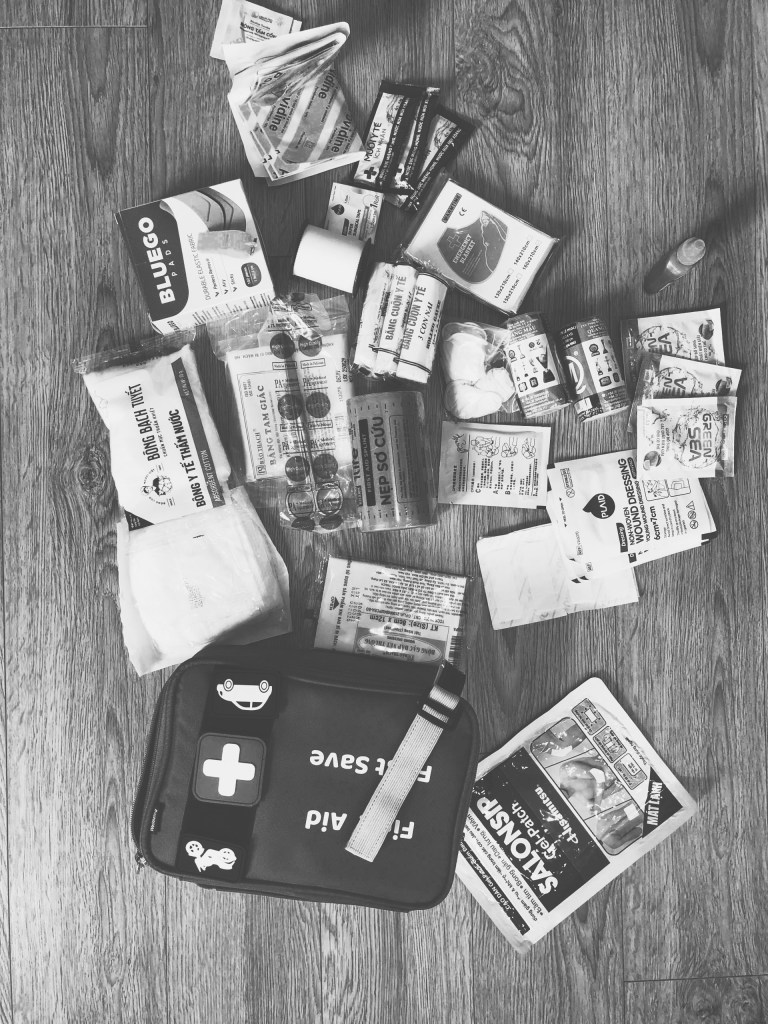
 Mulberry Whale PTM & Corrective Exercise