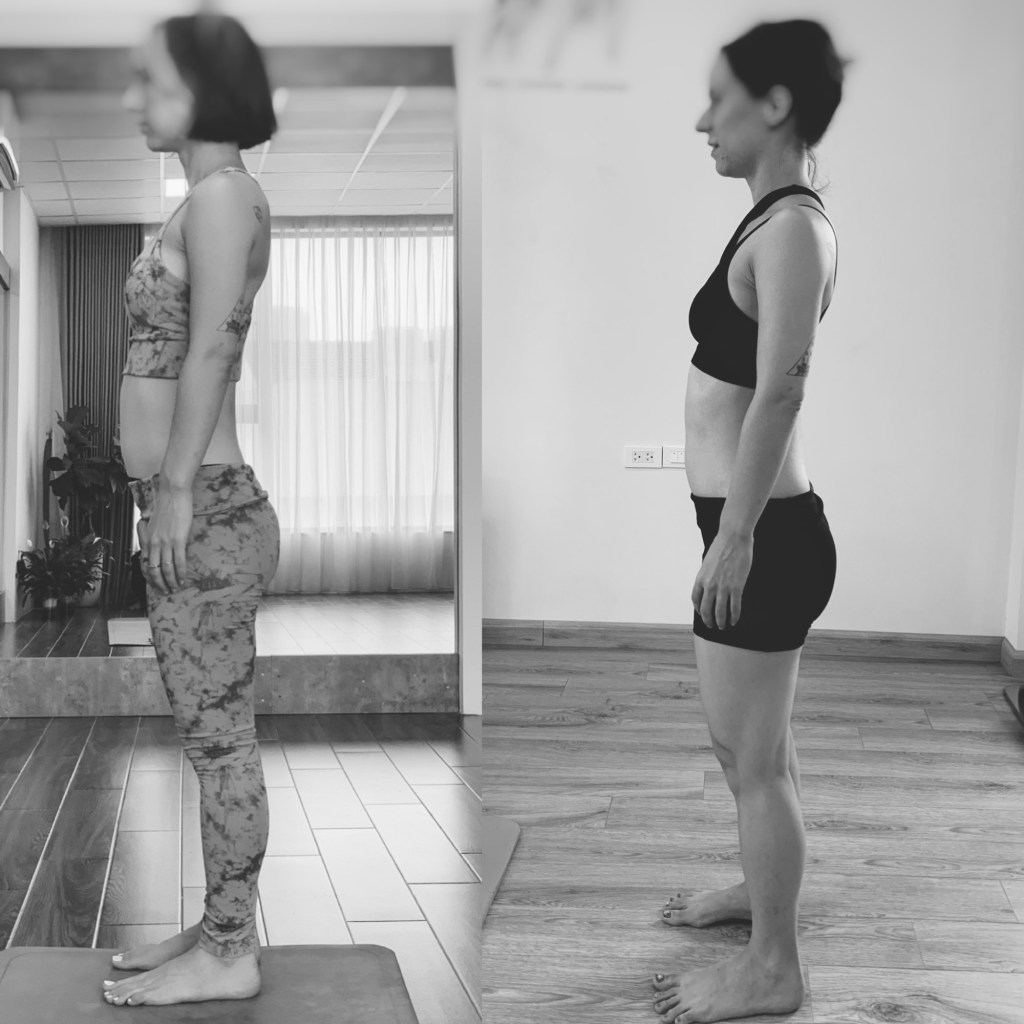
Pain is often expected to follow a simple narrative: a structure becomes damaged, symptoms appear, treatment is provided, and recovery follows.
In practice, human health rarely behaves so predictably.
Lower back pain illustrates this well. Structural findings do not consistently predict symptoms, symptoms do not always correspond to the site of injury, and recovery rarely depends on a single intervention. Biological, psychological, social, and environmental factors interact continuously to influence how pain is experienced and how individuals respond to it.
For exercise professionals, this complexity presents both a responsibility and a limitation.
A thorough history, awareness of previous injuries, recognition of atypical presentations, and an understanding of scope of practice are essential components of responsible coaching. Equally important is knowing when another perspective is required.
No single profession possesses all the answers.
Healthcare providers, rehabilitation practitioners, exercise professionals, coaches, and other allied health disciplines each observe the individual through a different lens. While their objectives may overlap, their expertise, assessment methods, and interventions often differ. This diversity should not be viewed as a weakness of the system, but rather as one of its greatest strengths.
Human health is inherently multidisciplinary.
Unfortunately, professional interactions are often fragmented. A client may move between practitioners with little communication occurring between them. Referrals are made, reports are exchanged, and treatment plans are implemented, yet opportunities for collaboration and shared learning are frequently limited.
The result is not merely a communication problem. It is a missed opportunity to develop a more complete understanding of the individual.
Many people continue to interpret pain through a purely mechanical lens, searching for a single exercise, movement, or posture responsible for their symptoms. While acute injuries certainly occur, persistent presentations are rarely explained by a single event. Physical loading, recovery capacity, previous injury, lifestyle factors, psychosocial influences, and overall health all contribute to the picture.
Reducing complexity to a single cause may be appealing, but it often oversimplifies the reality of human adaptation.
The same principle applies to treatment.
Expecting a single intervention, profession, or practitioner to resolve every aspect of a person’s presentation is rarely realistic. Sustainable outcomes are more likely to emerge when different disciplines contribute their respective expertise toward a shared objective: improving function, restoring capacity, and supporting long-term participation in meaningful activity.
Success should therefore be measured by more than symptom reduction alone. The broader goal is helping individuals develop the confidence, physical capacity, and adaptability required to engage with life, work, recreation, and sport.
Exercise professionals do not diagnose disease or provide medical treatment. Their contribution lies in developing movement competency, physical capacity, and long-term engagement with physical activity. In doing so, they occupy an important position within preventive healthcare.
The growing body of evidence supporting multidisciplinary and biopsychosocial models of care reflects an important shift away from purely structural explanations of pain and toward a more comprehensive understanding of human health and function.
The future of health is unlikely to be built upon isolated expertise.
References
Kamper SJ, Apeldoorn AT, Chiarotto A, et al. Multidisciplinary biopsychosocial rehabilitation for chronic low back pain: systematic review and meta-analysis. BMJ. 2015;350:h444.
World Health Organization. Low Back Pain Fact Sheet. 2023.
World Health Organization. Musculoskeletal Conditions Fact Sheet. 2022.
Ochsenkuehn FR, Crispin A, Weigl MB. Chronic Low Back Pain: A Prospective Study with 4 to 15 Years Follow-up After a Multidisciplinary Biopsychosocial Rehabilitation Program. BMC Musculoskeletal Disorders. 2022.
Engel GL. The Need for a New Medical Model: A Challenge for Biomedicine. Science. 1977;196(4286):129–136.
 Mulberry Whale PTM & Corrective Exercise