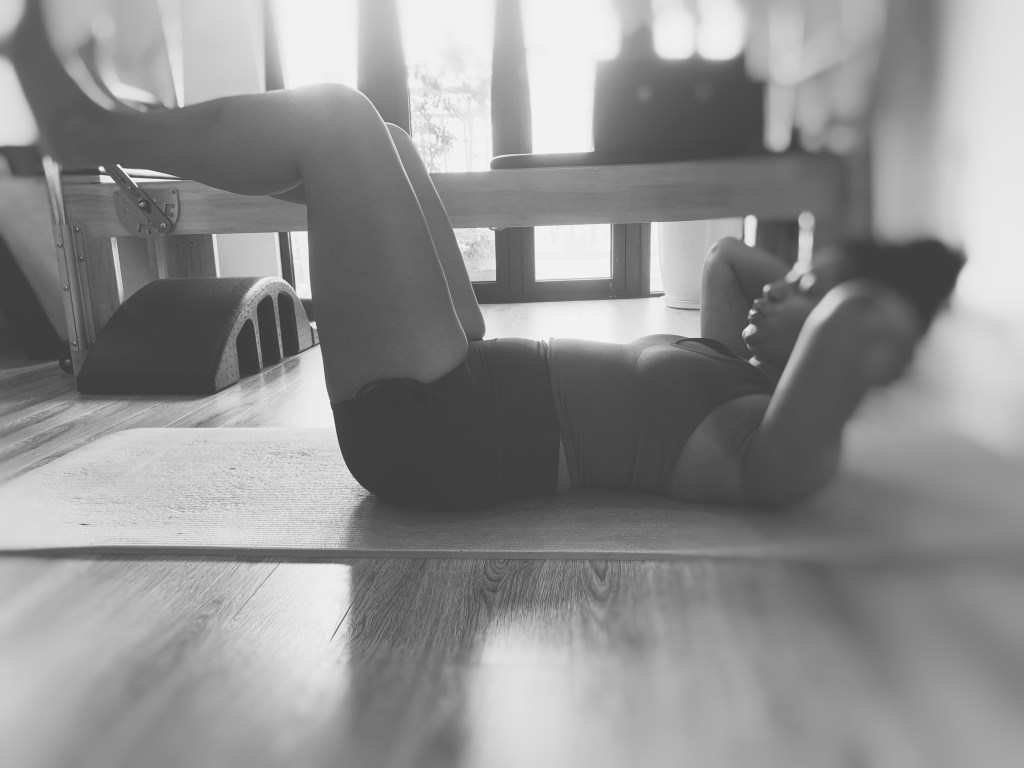
This article is dedicated to mothers whose strength, resilience, and capacity to navigate pregnancy, labour, and recovery continue to shape families and communities.
Pregnancy, childbirth, and the postpartum period represent significant biological, psychological, and social transitions that influence physical function and long term health outcomes. Cultural approaches to postpartum care vary considerably across regions. Many Western healthcare models encourage a gradual return to physical activity within the early stages of recovery, whereas several Eastern traditions prioritise extended periods of rest and confinement during the first weeks following delivery. Despite these differences, the overarching objective remains consistent, namely to support maternal wellbeing and facilitate effective recovery.
Labour imposes substantial physiological demands that require considerable muscular effort, energy expenditure, and psychological adaptation. Recovery is therefore influenced by multiple interacting factors, including mode of delivery, tissue healing, previous activity levels, sleep quality, family support, socioeconomic conditions, and access to healthcare services. No single approach can adequately address the needs of all mothers.
Contemporary evidence suggests that appropriately prescribed postpartum physical activity may contribute to improvements in functional capacity, cardiovascular health, mental wellbeing, and overall quality of life. The relationship between rest and movement should therefore be understood as complementary rather than contradictory. Sufficient recovery and progressive activity are both essential components of the healing process.
The purpose of postpartum exercise is not the rapid restoration of pre pregnancy performance, but the gradual reestablishment of movement competency, physical resilience, and confidence in everyday activities. Early, gentle, and targeted interventions, when medically appropriate, may support respiratory mechanics, trunk coordination, circulation, postural endurance, and the physical requirements associated with infant care.
Recommended Foundational Exercises
The following exercises may be appropriate during the early and intermediate postpartum period when medical clearance has been obtained. Exercise selection and progression should remain individualised according to symptoms, delivery method, tissue healing, and previous activity levels.
Diaphragmatic Breathing with Pelvic Floor Coordination
Equipment: None
Controlled diaphragmatic breathing facilitates respiratory efficiency, promotes relaxation, and supports coordinated activation of the abdominal wall and pelvic floor. Emphasis should be placed on gentle expansion during inhalation and natural recoil during exhalation rather than forceful contraction.
Sit to Stand
Equipment: Chair
The sit to stand movement restores lower limb strength and reinforces functional independence required for daily activities such as lifting, carrying, and caring for an infant. The exercise also provides an accessible method for gradually increasing loading tolerance.
Glute Bridge
Equipment: Exercise mat
The glute bridge encourages posterior chain engagement and may assist in improving lumbopelvic control. Appropriate progression should prioritise movement quality and breathing coordination rather than maximal effort.
Bird Dog
Equipment: Exercise mat
Quadruped contralateral arm and leg movements challenge trunk stability, balance, and coordination while maintaining relatively low compressive demands on the spine. The exercise may be particularly useful for restoring confidence in whole body movement patterns.
Farmer Carry
Equipment: Light dumbbells, kettlebells, or household objects
Carrying tasks reflect the practical demands of parenthood. Loaded carries develop postural endurance, grip strength, and trunk control while exposing the body to meaningful functional loading in a controlled manner.
Step Up
Equipment: Low step or stable platform
Step up variations strengthen the lower extremities and improve balance, coordination, and unilateral loading capacity. The movement also reflects common daily activities encountered during childcare and household tasks.
Resistance Band Row
Equipment: Resistance band
Prolonged feeding, carrying, and infant care frequently contribute to increased demands on the thoracic and shoulder regions. Rowing exercises support scapular control, postural endurance, and upper body strength while promoting balanced movement patterns.
Common Neuromuscular Considerations During the Postpartum Period
Several physical presentations commonly arise during the postpartum period and warrant consideration within rehabilitation and exercise settings.
Pelvic Floor Dysfunction
Alterations in pelvic floor function may manifest as urinary incontinence, sensations of heaviness, or reduced tolerance to impact activities. Appropriate assessment and gradual loading strategies remain essential.
Diastasis Recti and Abdominal Wall Coordination
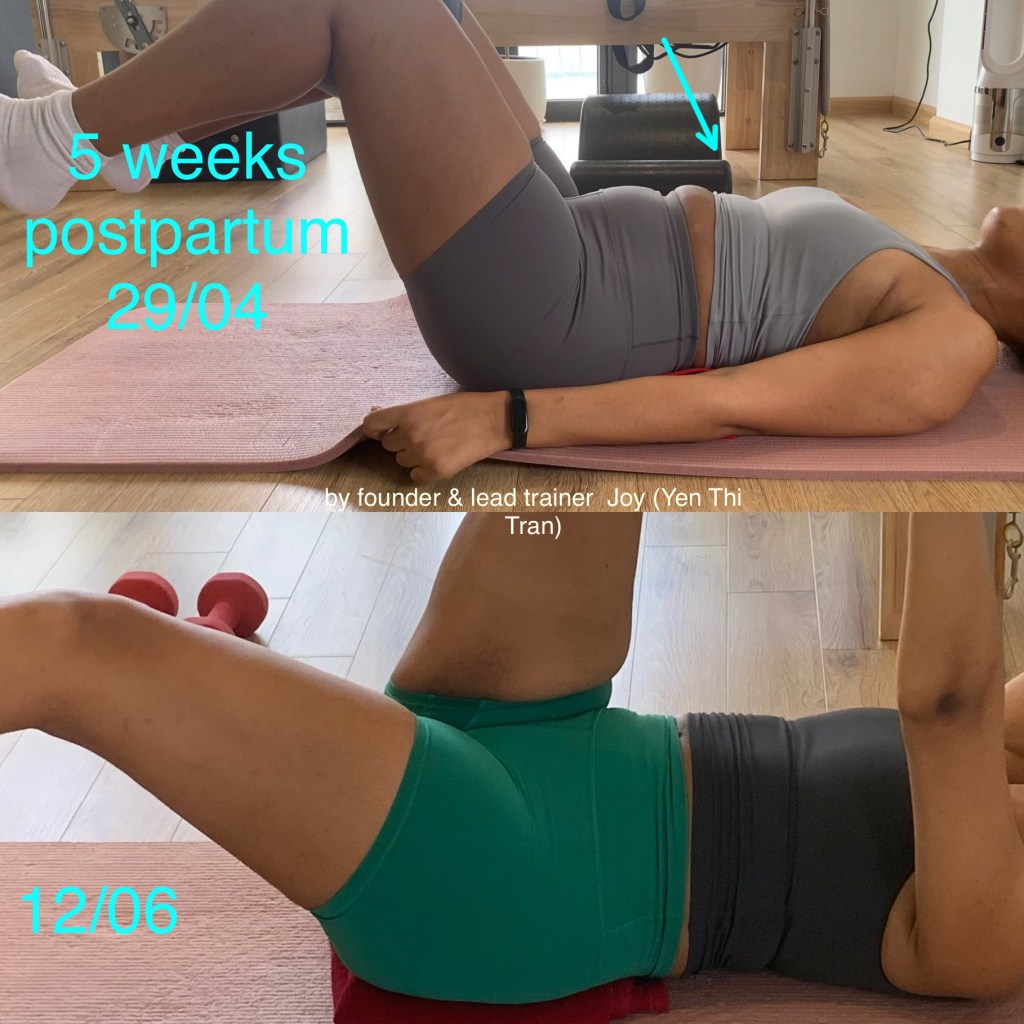
Separation of the rectus abdominis is a normal physiological adaptation during pregnancy. Clinical management should prioritise functional capacity and movement competency rather than aesthetic appearance or arbitrary measurements.
Low Back and Pelvic Girdle Pain
Changes in loading patterns, sleep deprivation, infant carrying, and altered movement behaviours may contribute to persistent symptoms within the lumbopelvic region. Progressive strengthening and activity modification often represent important components of management.
Thoracic, Cervical, and Shoulder Discomfort
Breastfeeding, feeding positions, and repetitive caregiving tasks place sustained demands upon the upper body. Restoring thoracic mobility, postural endurance, and upper limb strength may improve tolerance to these activities.
Reduced Load Tolerance and Physical Capacity
Periods of reduced activity during pregnancy and early postpartum recovery may temporarily diminish strength and endurance. Gradual exposure to meaningful movement remains fundamental to rebuilding physical resilience.
Postpartum recovery should be regarded as an individual process shaped by biological, psychological, and social influences. Prescriptive timelines and universal expectations rarely reflect the complexity of maternal health. Assessment and contextual decision making remain fundamental to effective practice.
Where uncertainty exists regarding the initiation or progression of physical activity after childbirth, consultation with medical practitioners, physiotherapists, or appropriately qualified movement professionals is recommended. Individualised guidance and evidence informed care continue to represent the foundation of safe and sustainable postpartum rehabilitation.
Strong motherhood is not solely characterised by the capacity to endure pregnancy and labour, but also by the opportunity to recover, adapt, and progressively restore function throughout the postpartum journey.
References
American College of Obstetricians and Gynecologists. (2020). Physical activity and exercise during pregnancy and the postpartum period (Committee Opinion No. 804). Reaffirmed 2023.
Davenport, M. H., Ruchat, S. M., Poitras, V. J., Garcia, A. J., Gray, C. E., Barrowman, N., Skow, R. J., Meah, V. L., Riske, L., Sobierajski, F., James, M., Kathol, A. J., Nuspl, M., Marchand, A. A., Nagpal, T. S., Slater, L. G., Adamo, K. B., and Davies, G. A. (2018). Prenatal exercise for the prevention of gestational diabetes mellitus and hypertensive disorders of pregnancy: A systematic review and meta analysis. British Journal of Sports Medicine, 52(21), 1367–1375.
Davenport, M. H., Ruchat, S. M., Poitras, V. J., Jaramillo Garcia, A., Gray, C. E., Barrowman, N., Skow, R. J., Meah, V. L., Riske, L., Sobierajski, F., James, M., Kathol, A. J., Nuspl, M., Marchand, A. A., Nagpal, T. S., Slater, L. G., Adamo, K. B., and Davies, G. A. (2019). Canadian guideline for physical activity throughout pregnancy. British Journal of Sports Medicine, 53(11), 742–743.
Bo, K., and Herbert, R. D. (2013). There is not yet strong evidence that exercise regimens other than pelvic floor muscle training can reduce diastasis recti abdominis in postpartum women: A systematic review. Journal of Physiotherapy, 59(3), 159–168.

