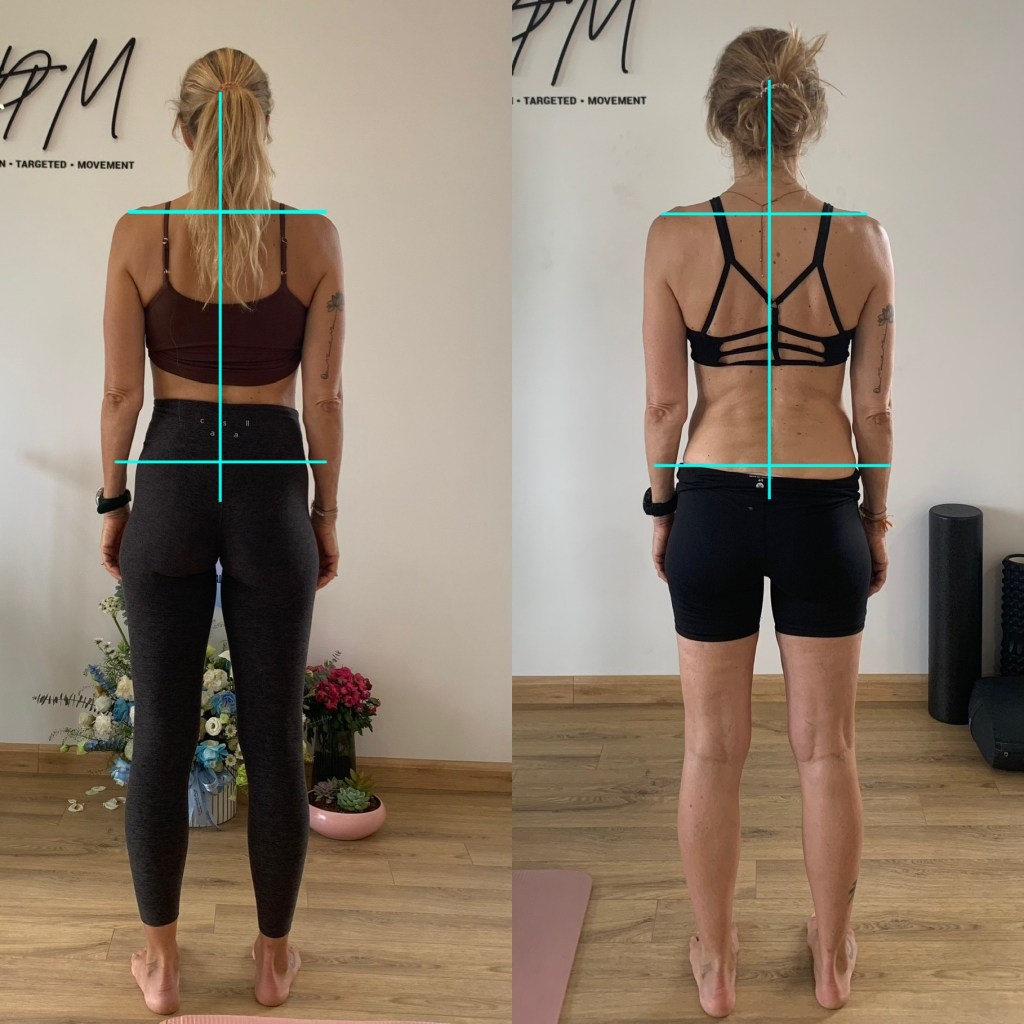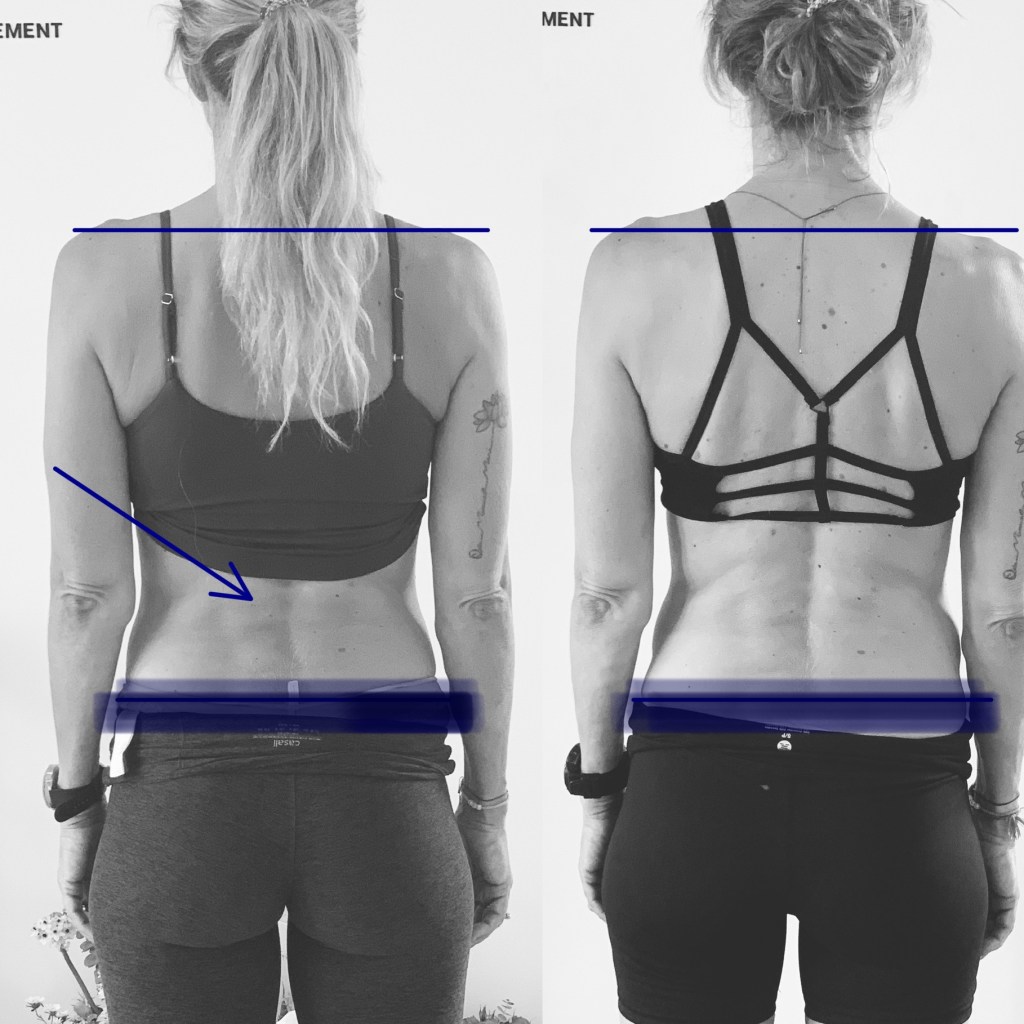
A person may have scoliosis without lower back pain, as not all spinal curvatures are symptomatic. Conversely, lower back pain may create a functional spinal deviation often described clinically as antalgic scoliosis or a lateral shift where the spine deviates in response to pain, disc herniation, nerve irritation, muscle guarding, or altered loading patterns. Unlike structural scoliosis, this deviation is not primarily driven by fixed bony deformity, though in chronic cases it may become more persistent over time due to long-term asymmetrical loading, soft tissue adaptation, protective motor patterns, and degenerative changes.
Degeneration itself may also be asymptomatic or part of normal age-related adaptation. However, once pain becomes chronic, the presentation often involves more than mechanical stress alone. Increased nervous system sensitivity, hypervigilance toward pain, altered movement strategies, and changes in motor control may all contribute to persistent symptoms.
Chronic pain may also influence autonomic and sympathetic nervous system activity, which can affect muscle tension, stress responses, recovery, and pain perception. As a result, long-term pain presentations are often multifactorial, involving an interaction between mechanical, neurological, and psychosocial factors rather than just structural findings.
“Recent research increasingly supports the view that persistent symptoms cannot always be fully explained by imaging findings or local tissue changes.”