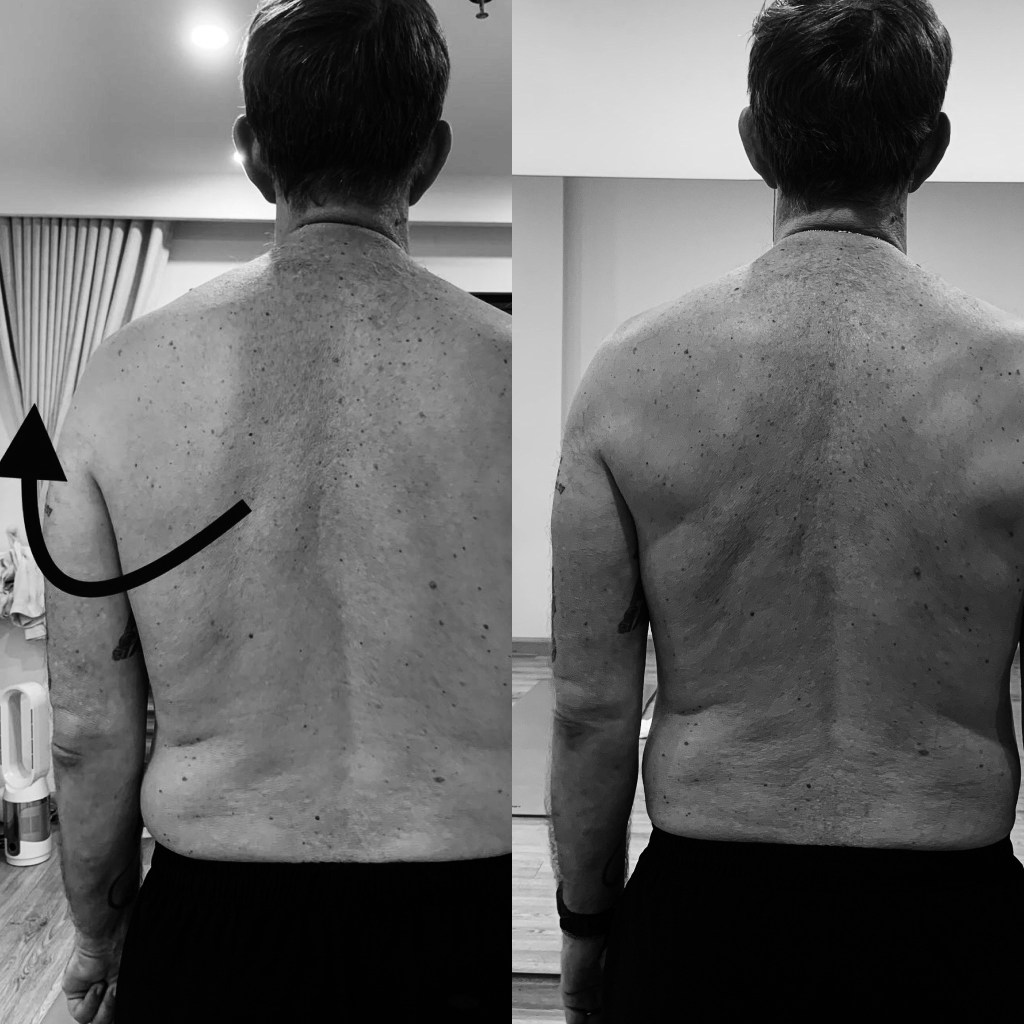
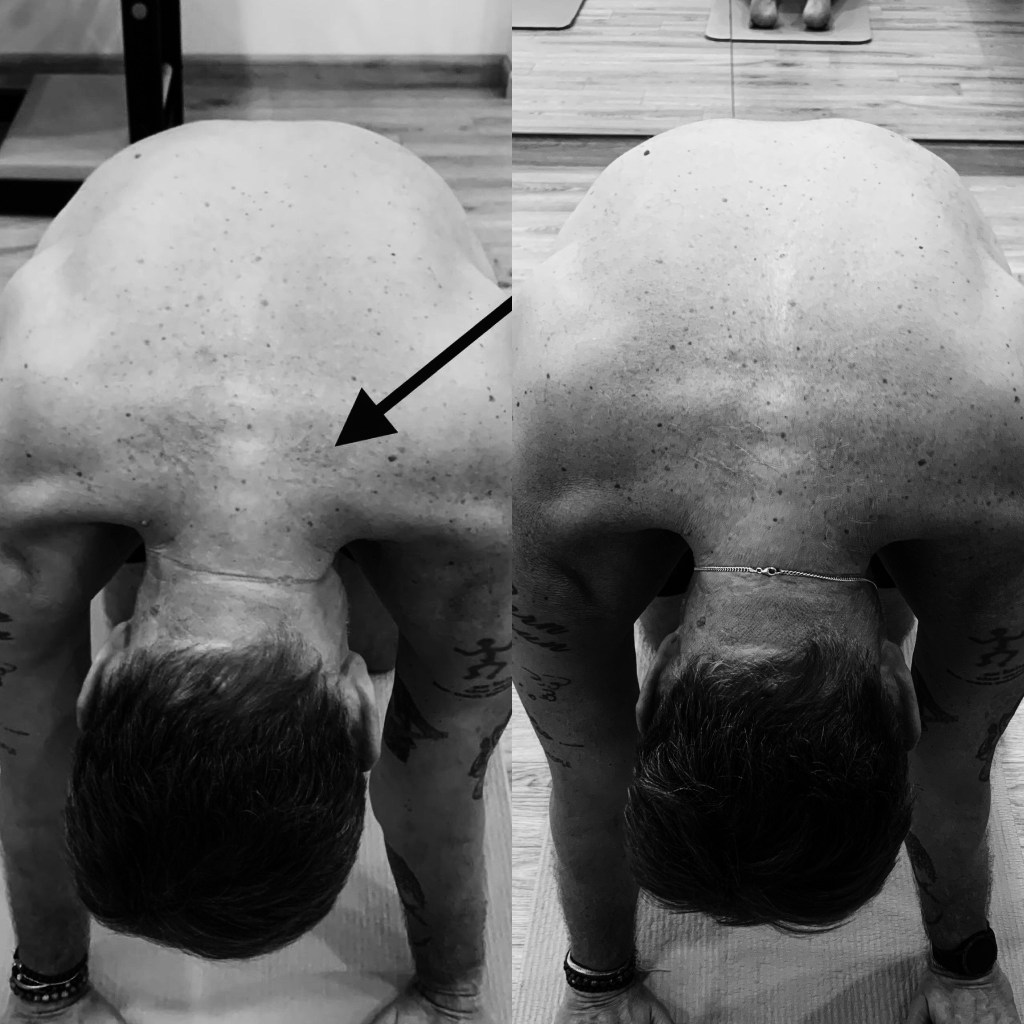
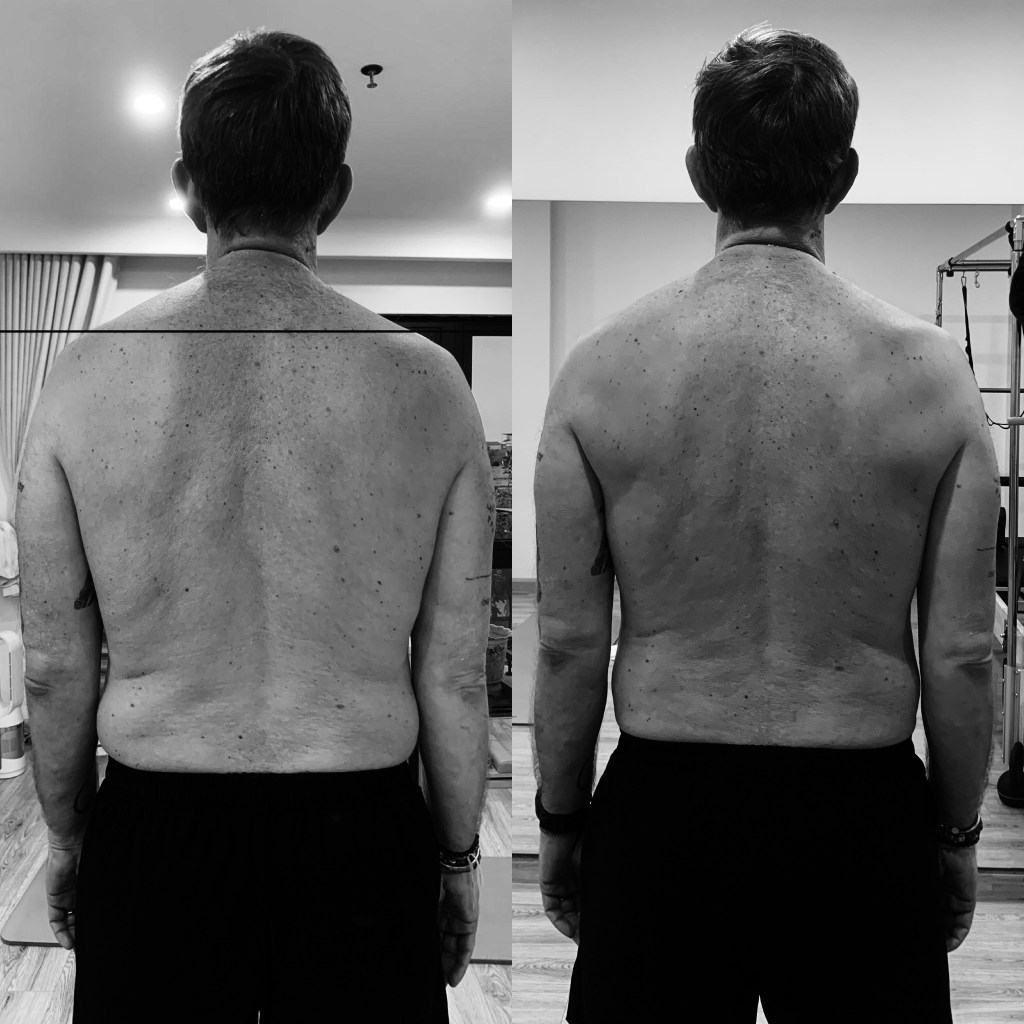
Neck pain is often approached as a local problem of the cervical spine. In many cases, however, the underlying mechanism reflects a broader alteration in neuromuscular control across the cervico-thoracic region.
The cervical spine relies heavily on segmental stabilization provided by the deep neck flexors, particularly the longus colli and longus capitis. These muscles function as low-load stabilizers, contributing to the maintenance of cervical lordosis and providing fine control of intersegmental motion. When their activity is reduced or delayed, the system often compensates through increased recruitment of larger, more superficial musculature.
In this context, muscles such as the sternocleidomastoid, upper trapezius and portions of the pectoralis complex may demonstrate increased activation. While these muscles are capable of generating substantial force, they are not optimised for sustained segmental stabilisation. Their compensatory dominance can therefore alter the distribution of mechanical loads across the cervical and upper thoracic segments.
One of the more common observable consequences of this shift is anterior translation of the head relative to the thorax. To maintain horizontal gaze, the lower cervical segments tend toward relative flexion while the upper cervical segments compensate through extension. This configuration is widely described as forward head posture.
Within this altered alignment, the suboccipital muscle group including rectus capitis posterior major, rectus capitis posterior minor, and the obliquus capitis muscles may demonstrate sustained activity. These muscles occupy a small but mechanically significant region between the occiput and the upper cervical vertebrae. In addition to their role in fine head positioning, they possess a high density of muscle spindles, suggesting an important proprioceptive function.
Persistent overactivity within this region may contribute to localised tenderness, cervicogenic headache patterns, or the commonly reported sensation of tightness at the cranio-cervical junction.
Forward head posture therefore represents less a purely structural deviation and more a reflection of altered motor control and load sharing across the cervical stabilising system.
Selected references
Falla & Farina (2007); Page et al. (2010); Singla & Veqar (2017); Hallgren et al. (2017); Kim & Koo (2016); Park et al. (2017); Kalmanson et al. (2019); Moore et al. (2013).
 Mulberry Whale