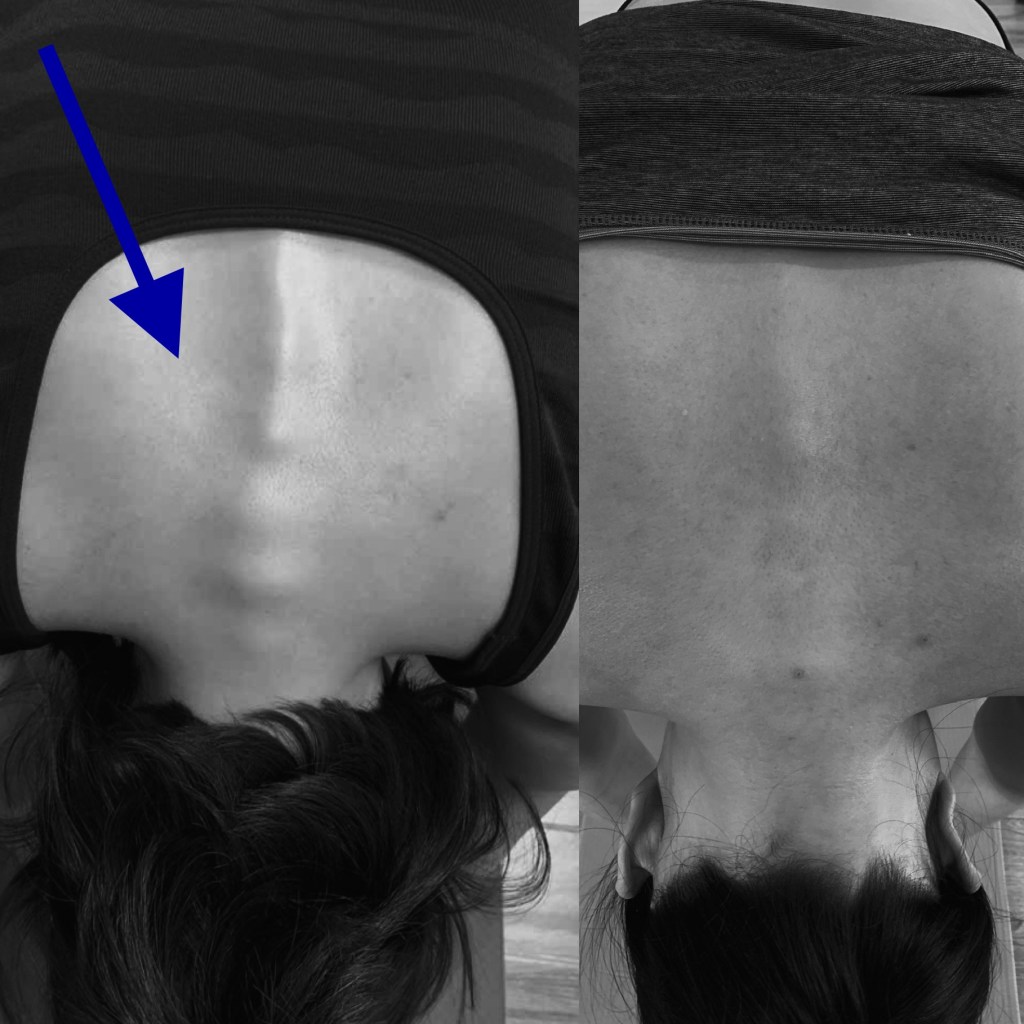
Training approaches often address complex problems by targeting discrete components of the body. A specific muscle, joint, or movement pattern becomes the primary focus of intervention. Although short term improvement may occur, symptoms may recur, leading to the perception that meaningful change has not been achieved.
Such outcomes do not necessarily indicate inadequate care or ineffective methods. Human health does not consistently follow a linear cause and effect model. Complex biological systems rarely respond predictably to isolated corrections, even when a contributing factor appears identifiable.
Individuals with similar physical findings frequently report substantially different symptom experiences. Some remain asymptomatic despite observable physical changes, whereas others report persistent discomfort in the absence of clear structural abnormalities. This variability suggests that symptom expression is influenced not only by physical condition but also by adaptive responses related to stress exposure, prior experience, and environmental context.
Prolonged stress exposure is associated with increased protective responses. Elevated muscle tension, guarded movement behaviour, and heightened sensitivity may develop as adaptive regulatory mechanisms rather than indicators of ongoing tissue damage. When sustained, however, these responses may contribute to symptom persistence.
Short term support or guided intervention may reduce symptom intensity, but longer term improvement is commonly associated with broader factors including habitual movement, recovery, sleep quality, stress regulation, and daily behavioural patterns. These variables continuously influence system responsiveness to physical load and sensory input.
Approaches directed solely toward physical factors are often insufficient to resolve persistent system sensitivity, while exclusively psychological approaches may not restore functional capacity in a physically underconditioned body. Meaningful change more commonly occurs through gradual adaptation across multiple domains of daily life rather than through a single corrective intervention.

 Mulberry Whale