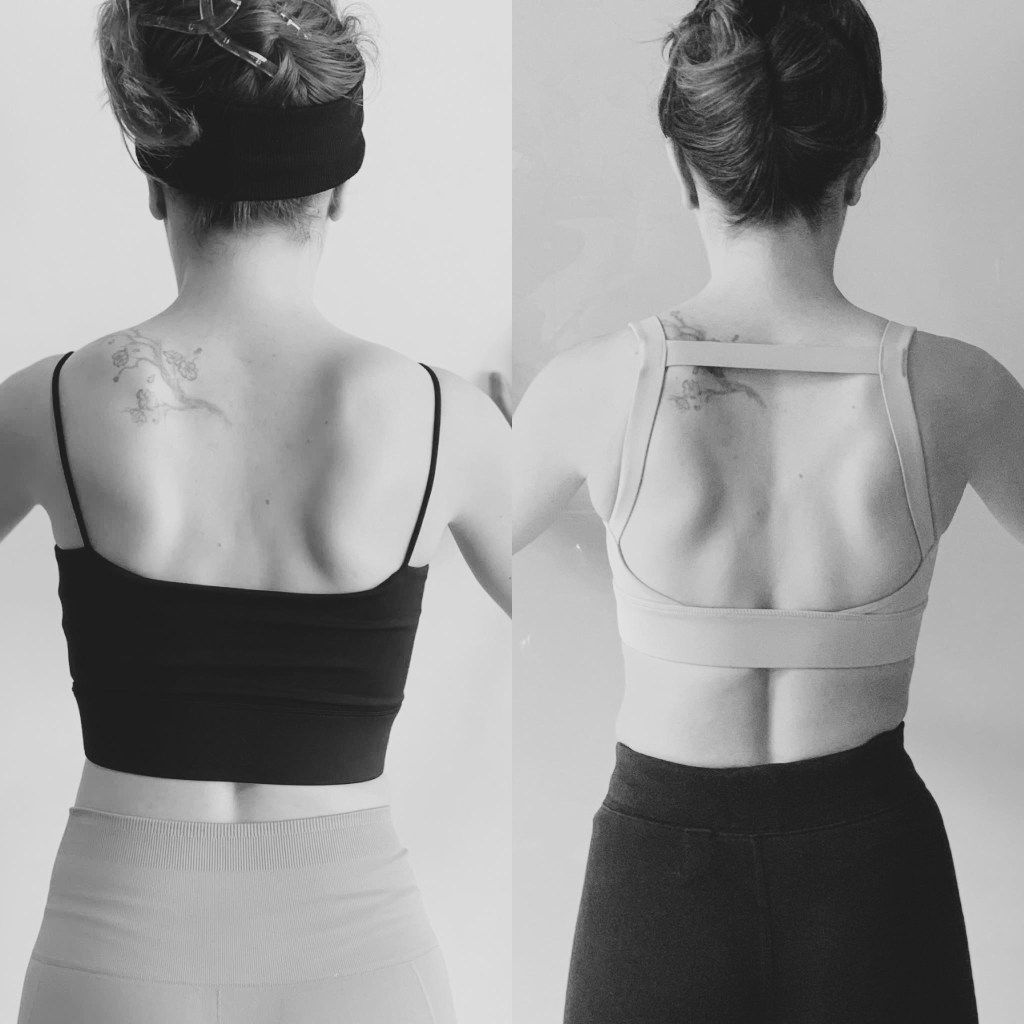
Scapular imbalance is a common postural and movement presentation, frequently observed as unilateral protraction, asymmetrical upward rotation, or medial border winging. Although often regarded as a local shoulder deviation, altered scapular positioning rarely develops in isolation.
The scapula serves as a mechanical interface between the upper limb and the axial skeleton. Its orientation is governed by the interaction of cervical alignment, thoracic curvature, rib cage configuration, trunk control, and pelvic positioning. When coordination within this system is altered, scapular motion adapts to preserve function, often at the expense of efficiency and symmetry.
Attempts to correct this pattern through sustained retraction or postural bracing are typically ineffective. Static positioning does not reflect the dynamic requirements of scapular control and often reinforces compensatory muscle dominance.
A more effective strategy begins with identifying the origin of altered scapular rhythm.
Contributing factors commonly include restricted thoracic mobility, asymmetrical rib expansion may related to breathing mechanics, altered trunk orientation secondary to pelvic positioning, and delayed or poorly sequenced stabilising activity relative to humeral motion. These influences modify the relationship between the scapula and thorax, affecting alignment and movement trajectories.
When these adaptations persist, load distribution becomes uneven, compressive forces increase across the cervical and shoulder regions, and movement variability declines. Over time, this presents as recurrent neck and shoulder tightness, reduced overhead efficiency, early fatigue, and declining movement precision.
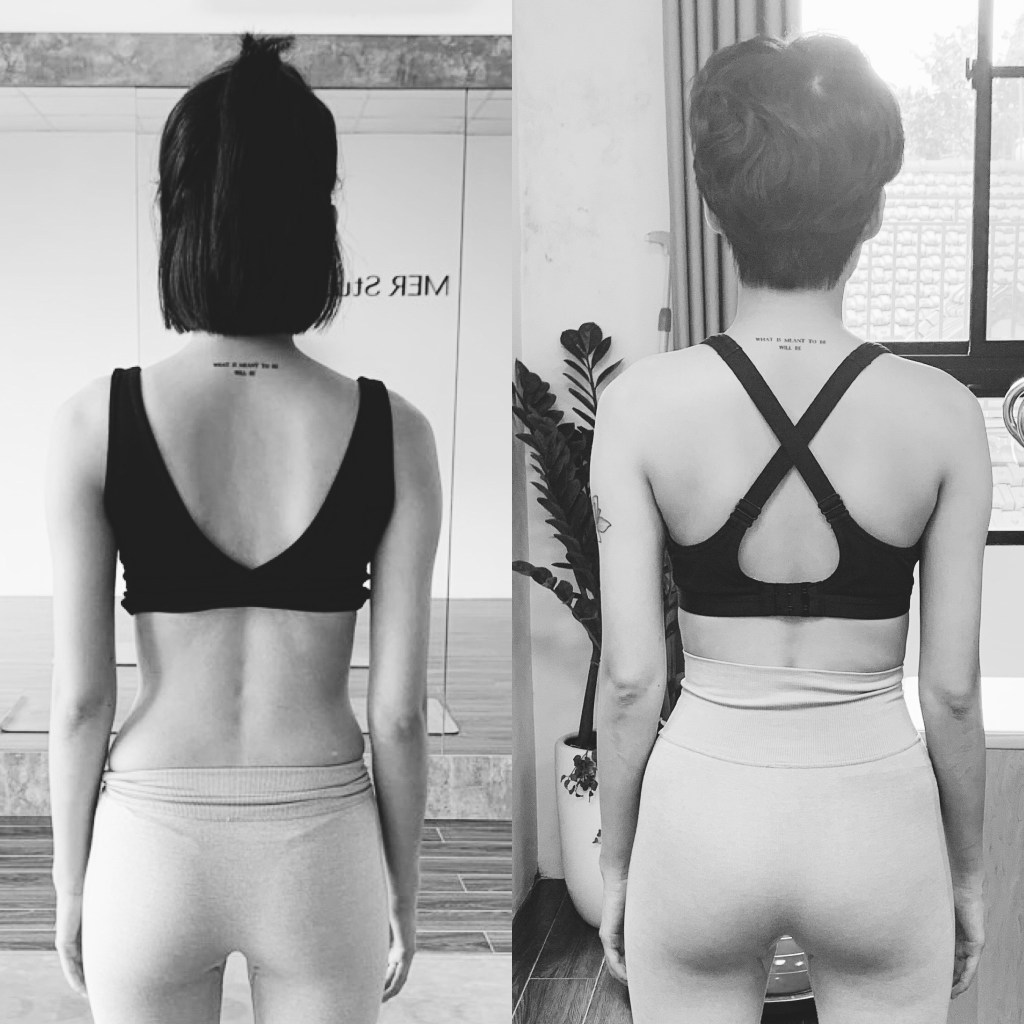
At Mulberry Whale PTM, posture and movement are examined as an integrated system. Rather than isolating the shoulder, analysis considers spinal organisation, thoracic contribution, rib mechanics, and trunk control. Corrective movement programmes are designed to restore timing, symmetry, and efficient force transmission across the upper quarter.
By restoring coordinated control across the kinetic chain, scapular alignment normalises as a consequence rather than a directive, cervical loading decreases, and shoulder mechanics regain adaptability under load.
Posture, in this framework, is not a static alignment, but an emergent property of well-organised movement.
 Mulberry Whale