
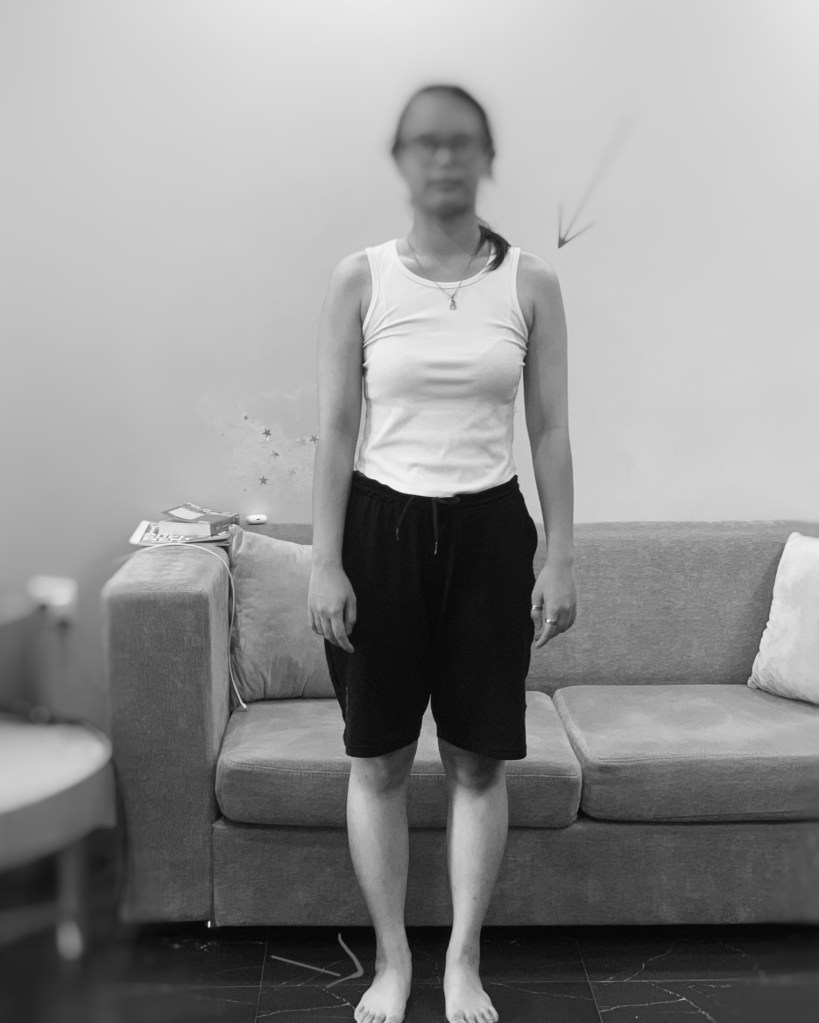
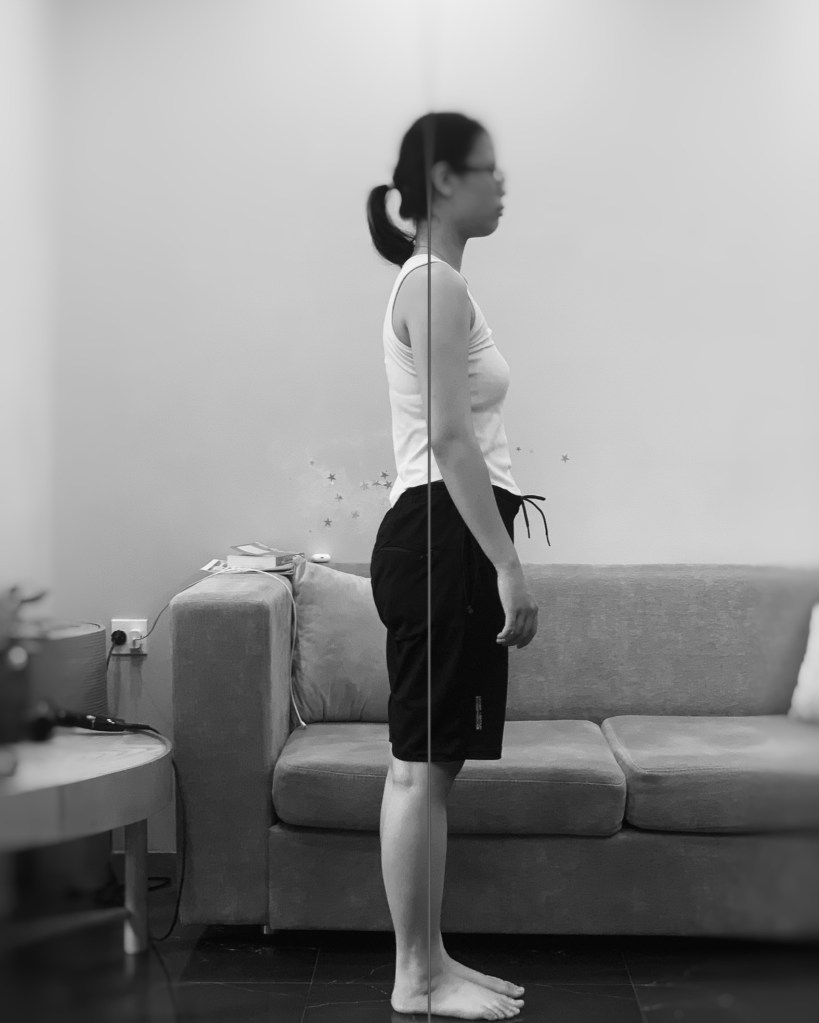
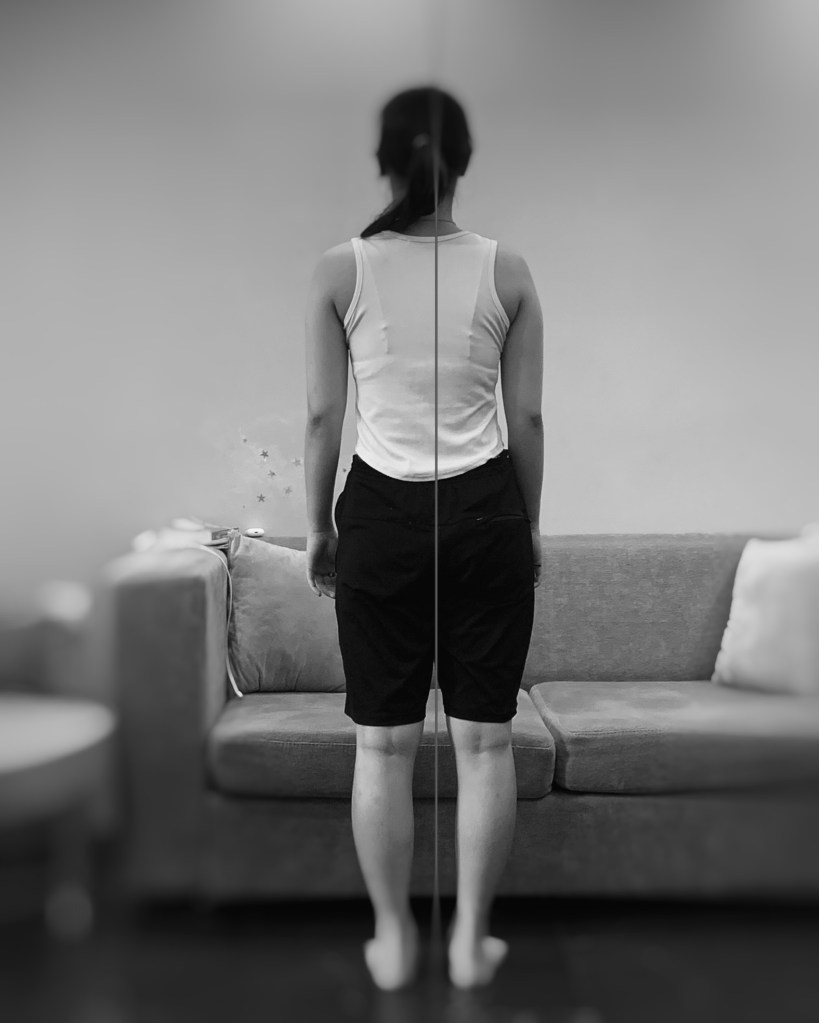
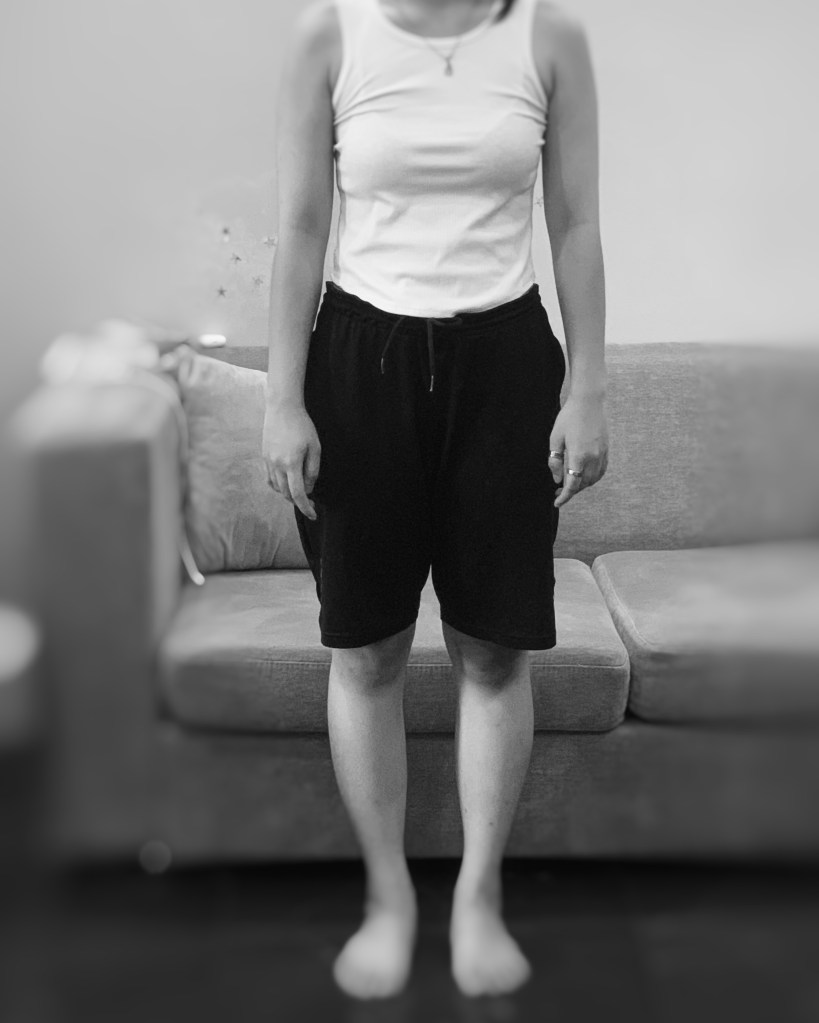
Many young athletes present with a combination of selective joint hypermobility, mild spinal asymmetry, strong global muscles, and poor postural control. This pattern is common in individuals who train regularly yet still experience instability, tension, or difficulty maintaining alignment during movement.
Joint hypermobility creates increased range and reduced passive support from ligaments. Research has shown a strong association between hypermobility and decreased proprioception, meaning the body’s sense of joint position becomes less reliable. This can influence balance, postural stability, and coordination, especially during fast or unpredictable movements.
When alignment drifts, the body compensates in predictable ways. Certain muscles remain shortened and overactive, while others remain lengthened but still engaged. Global muscles take over roles they are not designed for, and deep stabilisers become underactive. Over time, this produces tension, inefficient movement, and inconsistent performance despite good overall strength.
The most effective strategy in these cases is not more general strengthening but targeted retraining of the deeper support system. This includes reactivating the deep core, lumbar multifidus, deep hip stabilisers, intrinsic foot muscles, and the stabilising muscles around the scapula. These groups respond best to low-load, high-control exercises that prioritise precision and awareness.
Posture and alignment retraining is equally important. This involves teaching the body how to return to an efficient neutral position rather than forcing a rigid ideal. As proprioception improves, the body becomes better at recognising and correcting its own alignment during daily activities and sport.
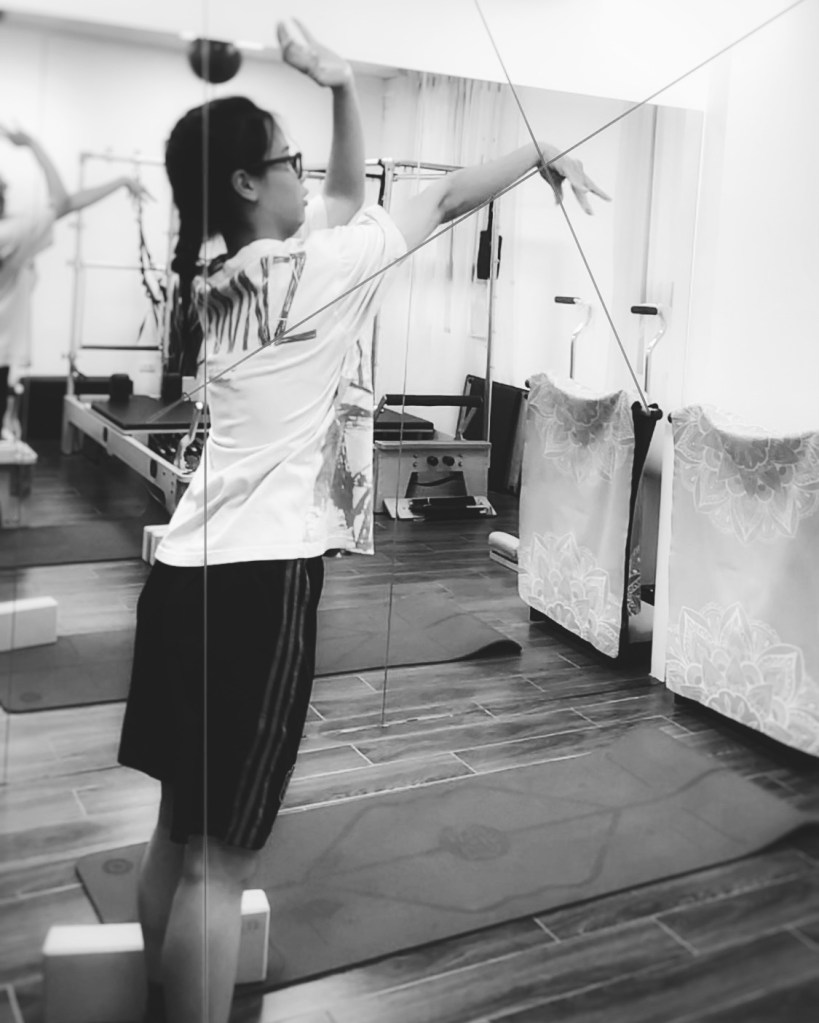
Corrective movement training plays a central role. Rebuilding fundamental patterns such as squatting, hinging, pushing, pulling, landing, and rotating allows the stabilisers to work in coordination with the global muscles. Strengthening is then layered gradually on top of these improved patterns to make the new control strategies resilient under fatigue and speed.
Evidence continues to support this approach. Studies highlight reduced joint-position sense in hypermobile individuals, poorer balance in visually challenged environments, and an increased reliance on compensatory movement strategies. There is growing interest in proprioceptive and neuromuscular training because these methods improve stability, joint awareness, and functional performance.
For athletes or active individuals who recognise themselves in this pattern, a personalised movement assessment can clarify which stabilisers are underperforming, which global muscles are compensating, and how alignment is influencing balance and control. Once the underlying pattern is identified, training becomes significantly more efficient and long-lasting.

 Mulberry Whale