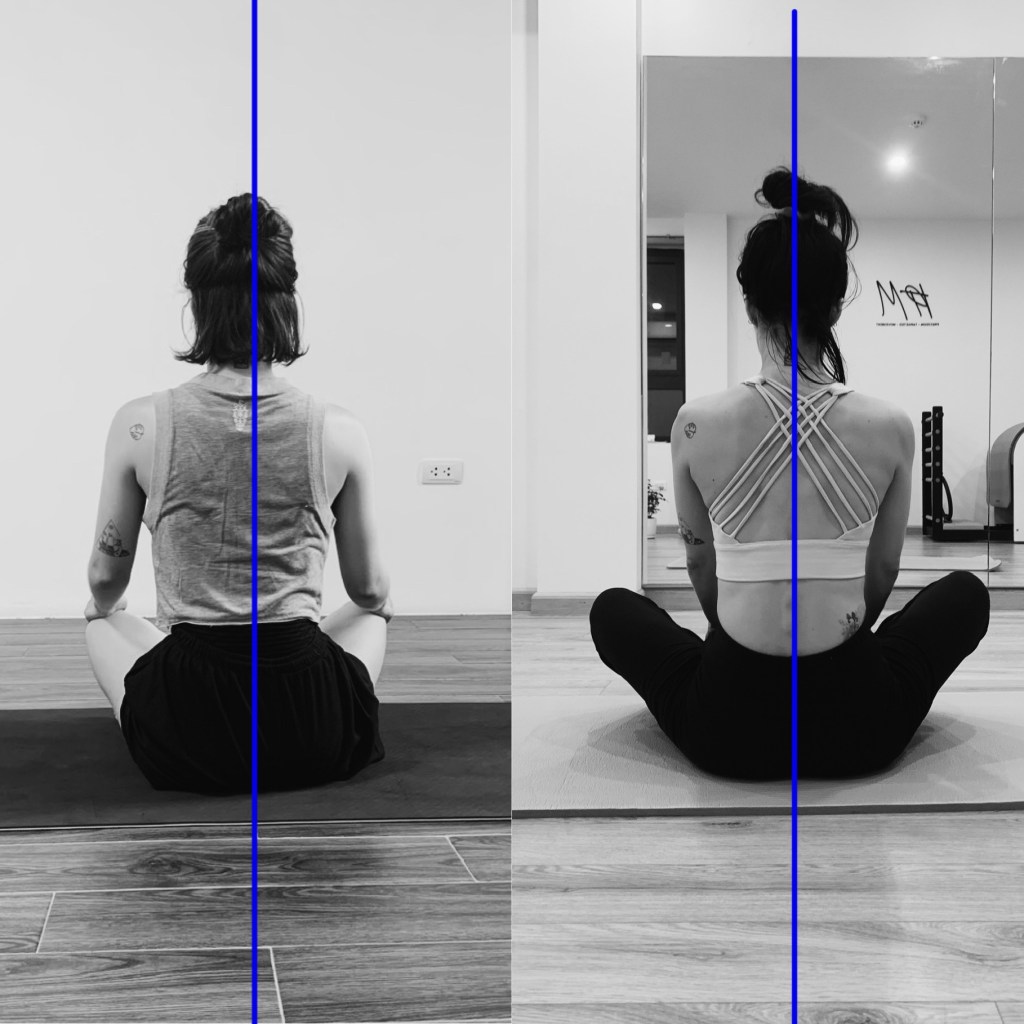
A client with a demanding workload returned with recurrent low back pain after remaining pain-free for almost a year. The pain was not caused by load or impact but developed gradually following repetitive stretching routines she had reintroduced to manage tension.
Despite appearing gentle, these repeated movements likely increased segmental stress in an already flat lumbar spine, where local control had not been fully reestablished. The assessment suggested a stability imbalance rather than a pure flexibility issue, a common finding in individuals with high work stress and limited recovery time.
The goal of our sessions was not to increase range but to restore control and load capacity across the trunk and hips. Training emphasised precise movement, strength under moderate load, and awareness of how fatigue and repetition affect spinal tolerance.
After fewer than seven sessions, the client was pain-free and returned to full activity.
The focus then shifted toward independent strength maintenance and long-term movement variability.
Reflection
Recurrent back pain rarely points to a single cause.
Often, it’s the interaction between workload, recovery, and how the body distributes movement. Flexibility without stability can easily reproduce old patterns.
The key isn’t avoiding movement – it’s learning which movements your system can currently support, and rebuilding strength from there.

 Mulberry Whale