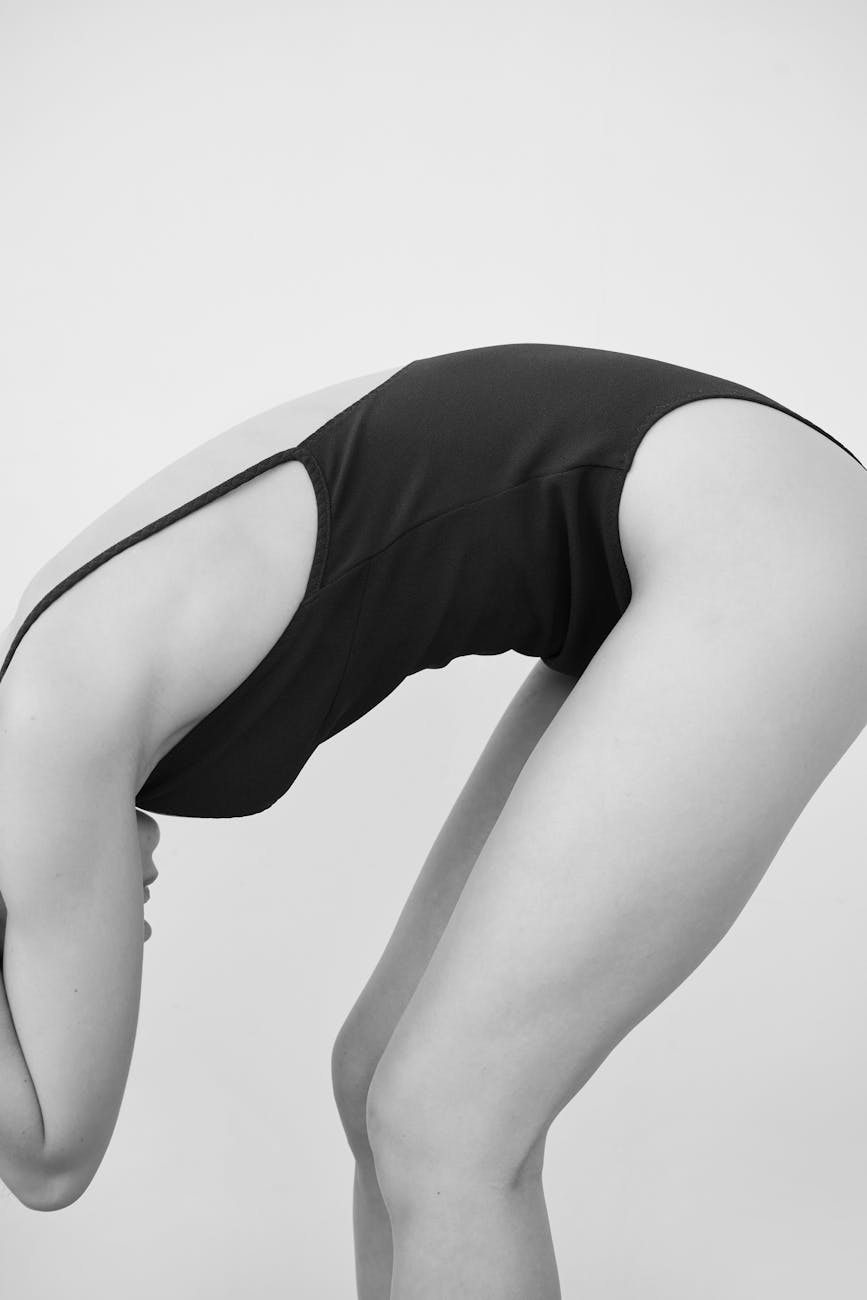
During my teaching, I had the unique experience of working with two sets of twins. One pair was under 13, the other over 20. In both cases, one sister had scoliosis. Their families were advised by doctors to explore Pilates and yoga with the goals of improving posture, building body awareness, and developing overall strength.
Training students with scoliosis, particularly adolescents, presents unique challenges. Often it is the parents who carry most of the awareness of the condition, while the children themselves may not fully understand their bodies or the implications of the diagnosis. This can make engagement, cueing, and consistency difficult in practice.
To address this, I began each class with simple movement-based games that built attention, strength, and focus. Once that structure was established, we could sustain a full hour of training without the common interruptions of chatting or frustration. Despite the unpredictability of adolescence, with rapid changes physically and emotionally, the girls showed real commitment. They trained after school even while balancing other activities, and over time their posture and movement control improved noticeably.
Research supports this type of approach. A systematic review by Monticone et al. (2016) found that exercise interventions, including Pilates and body awareness practices, can significantly improve function and quality of life in individuals with scoliosis. This reinforces the importance of building not only strength but also attention and confidence in movement.
Although our training ended due to my schedule at the time, I carry their progress with me. I hope the movement skills they developed will remain a foundation for confidence and resilience in their bodies as they continue to grow.
 Mulberry Whale
Leave a comment