Mulberry Whale
Precision • Targeted • Movement Optimisation
Recent posts
- Considerations in Persistent Discomfort
- Scapular Imbalance and Postural Asymmetry: A Structural Perspective
- When Strength Isn’t Enough: Understanding Stability in Flexible, Active Bodies
- Understanding Back Pain: A Case of Change Through Gait and Movement
- Recurrence of Low Back Pain After 1 Year Symptom-Free
Movement Recovery & Wellness
Category: The Work
-
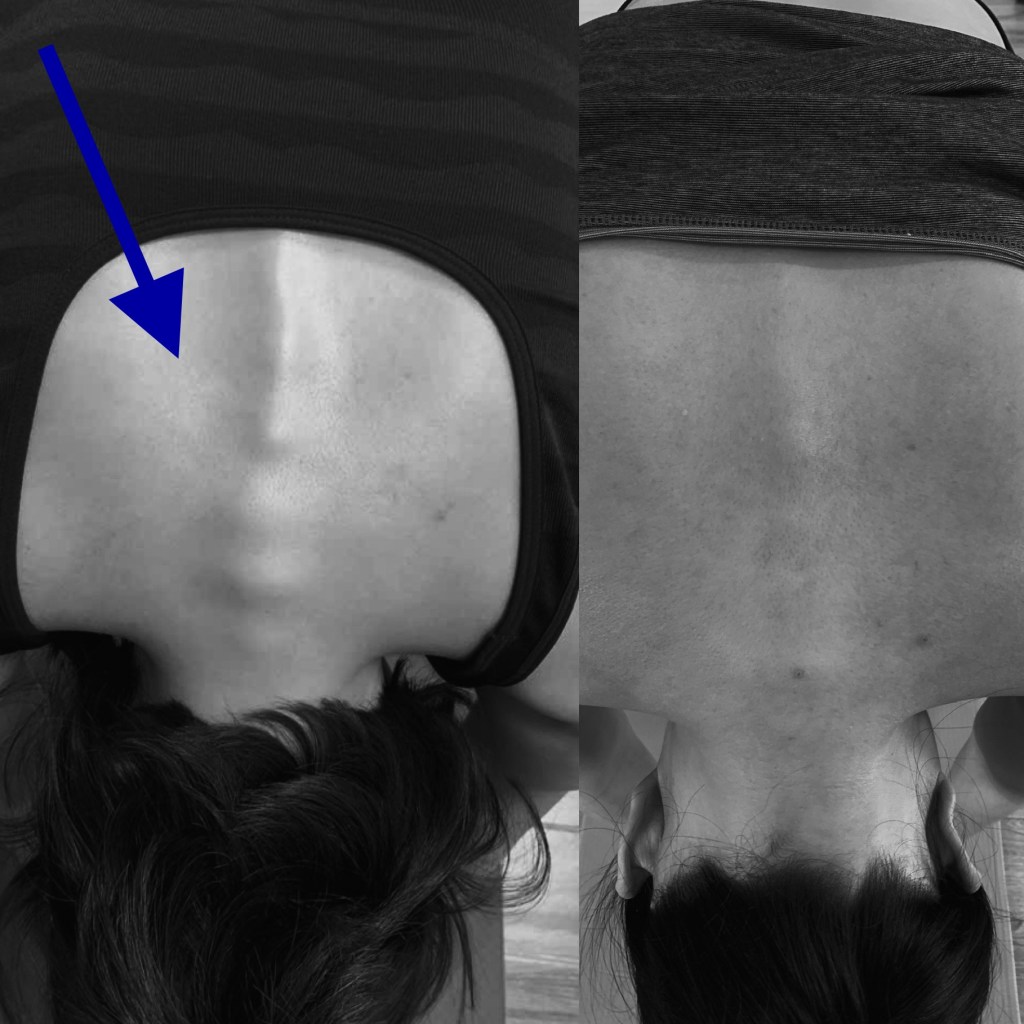
Training approaches often address complex problems by targeting discrete components of the body. A specific muscle, joint, or movement pattern becomes the primary focus of intervention. Although short term improvement may occur, symptoms may recur, leading to the perception that meaningful change has not been achieved. Such outcomes do not necessarily indicate inadequate care or…
-
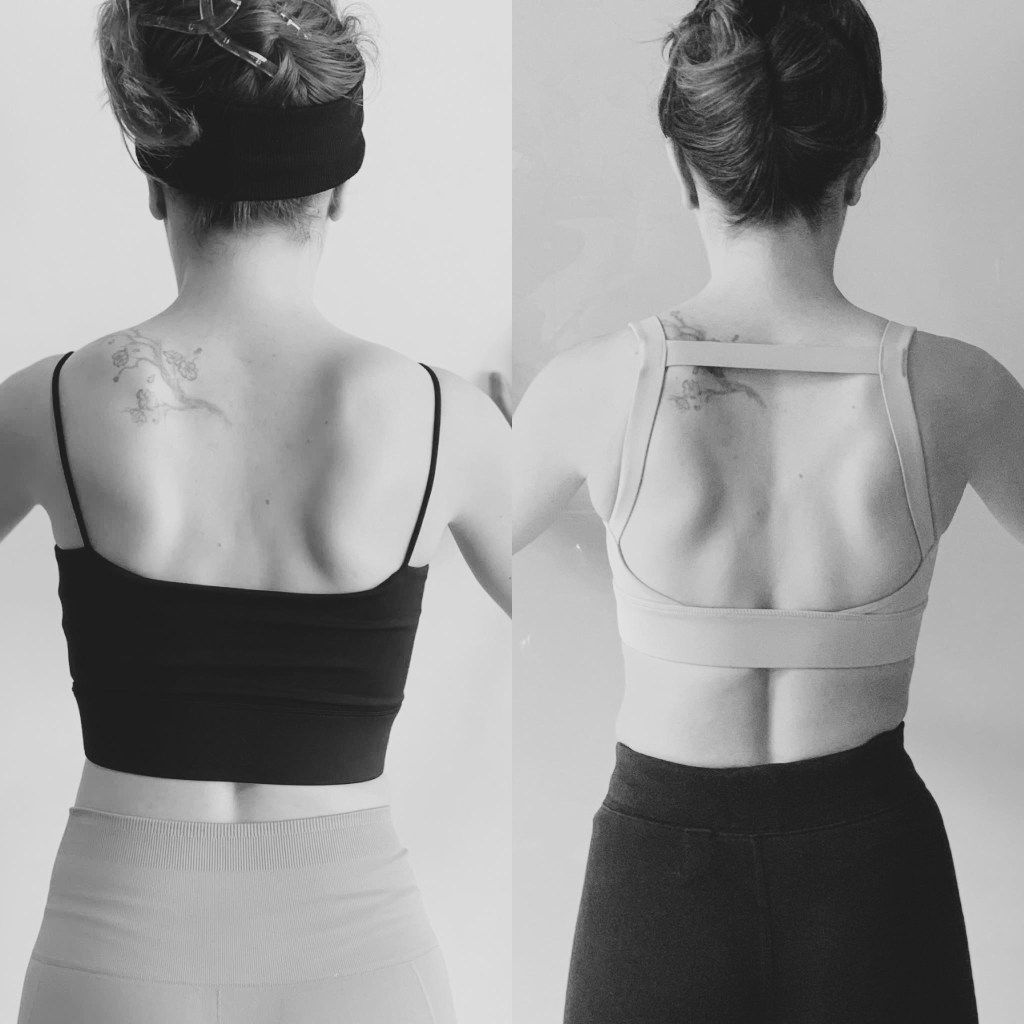
Scapular imbalance is a common postural and movement presentation, frequently observed as unilateral protraction, asymmetrical upward rotation, or medial border winging. Although often regarded as a local shoulder deviation, altered scapular positioning rarely develops in isolation. The scapula serves as a mechanical interface between the upper limb and the axial skeleton. Its orientation is governed…
-

Many young athletes present with a combination of selective joint hypermobility, mild spinal asymmetry, strong global muscles, and poor postural control. This pattern is common in individuals who train regularly yet still experience instability, tension, or difficulty maintaining alignment during movement. Joint hypermobility creates increased range and reduced passive support from ligaments. Research has shown…
-

Lower-back pain often develops gradually. In this case, the discomfort appeared without a clear trigger and persisted for years. Despite regular activity, including yoga, Pilates, and general strengthening, the symptoms continued to return. Sitting remained one of the most aggravating positions, and the pain often resurfaced without warning. A review of daily movement highlighted several…
-
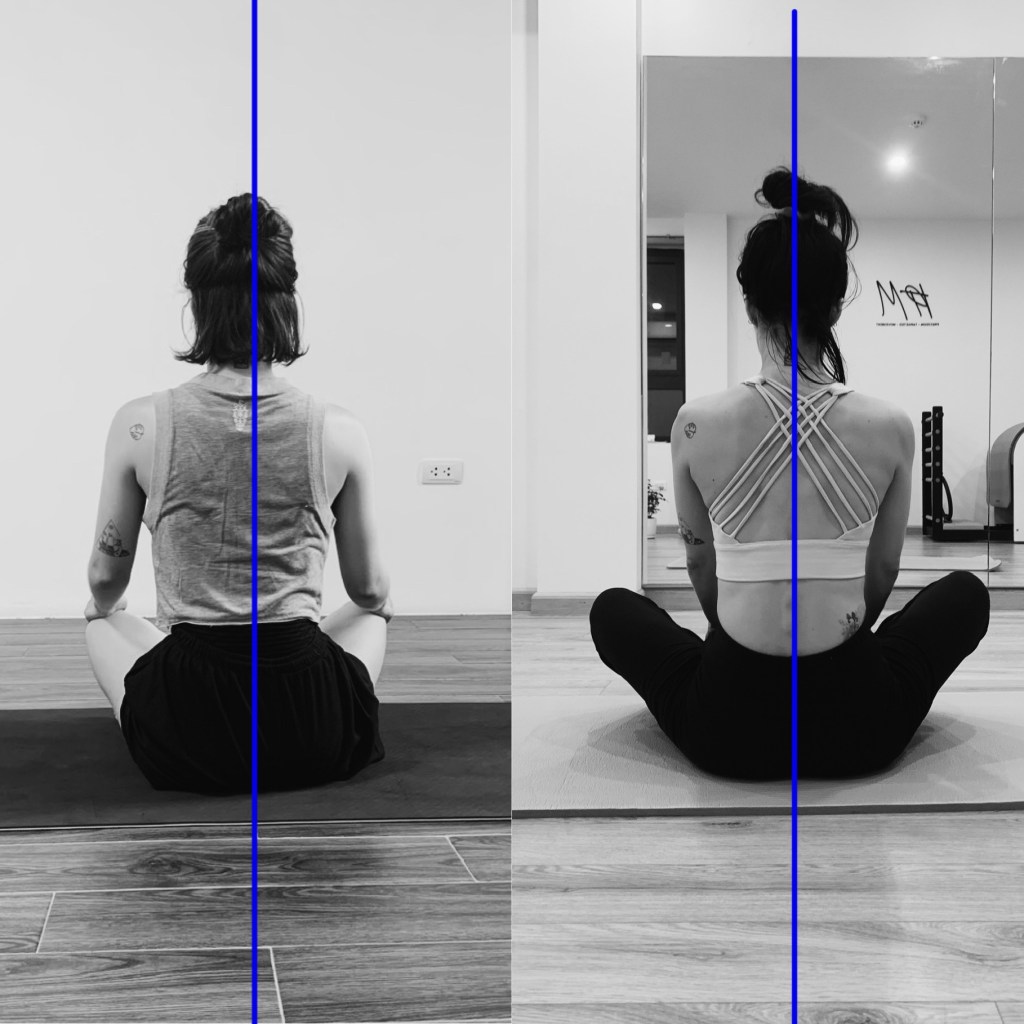
A client with a demanding workload returned with recurrent low back pain after remaining pain-free for almost a year. The pain was not caused by load or impact but developed gradually following repetitive stretching routines she had reintroduced to manage tension. Despite appearing gentle, these repeated movements likely increased segmental stress in an already flat lumbar spine, where local…
-
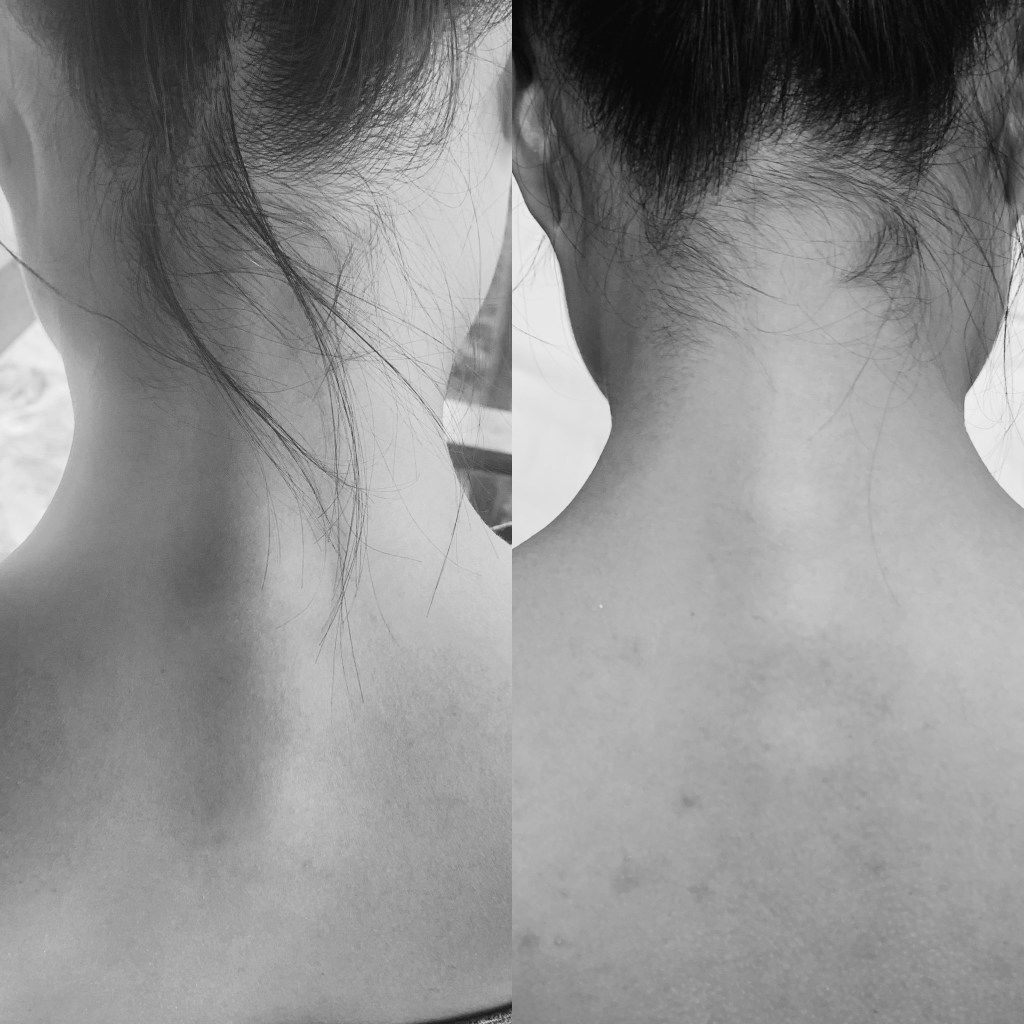
A 26-year-old golf enthusiast developed progressive neck pain after two years of regular practice, averaging up to 200 swings per session with minimal warm-up. The repetitive, high-intensity swing pattern placed continuous rotational stress on the cervical, thoracic, and shoulder regions. The discomfort began as mild stiffness in the left shoulder and upper back following practice.…
-
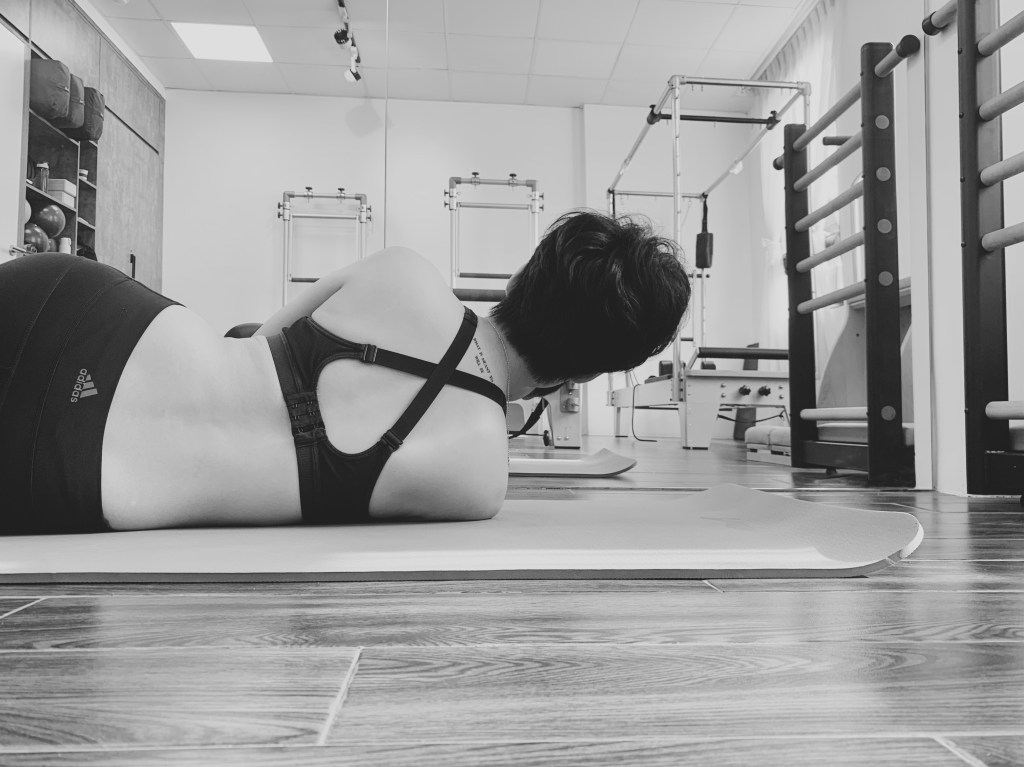
OverviewPreventing a neck hump is considerably easier than attempting to correct one that has already formed. However, postural changes remain possible at any stage if the underlying mechanics are addressed early and consistently. The aim of early training is to maintain mobility through the cervicothoracic junction, preserve muscular balance, and prevent structural adaptation. BackgroundA fifteen-year-old…
-
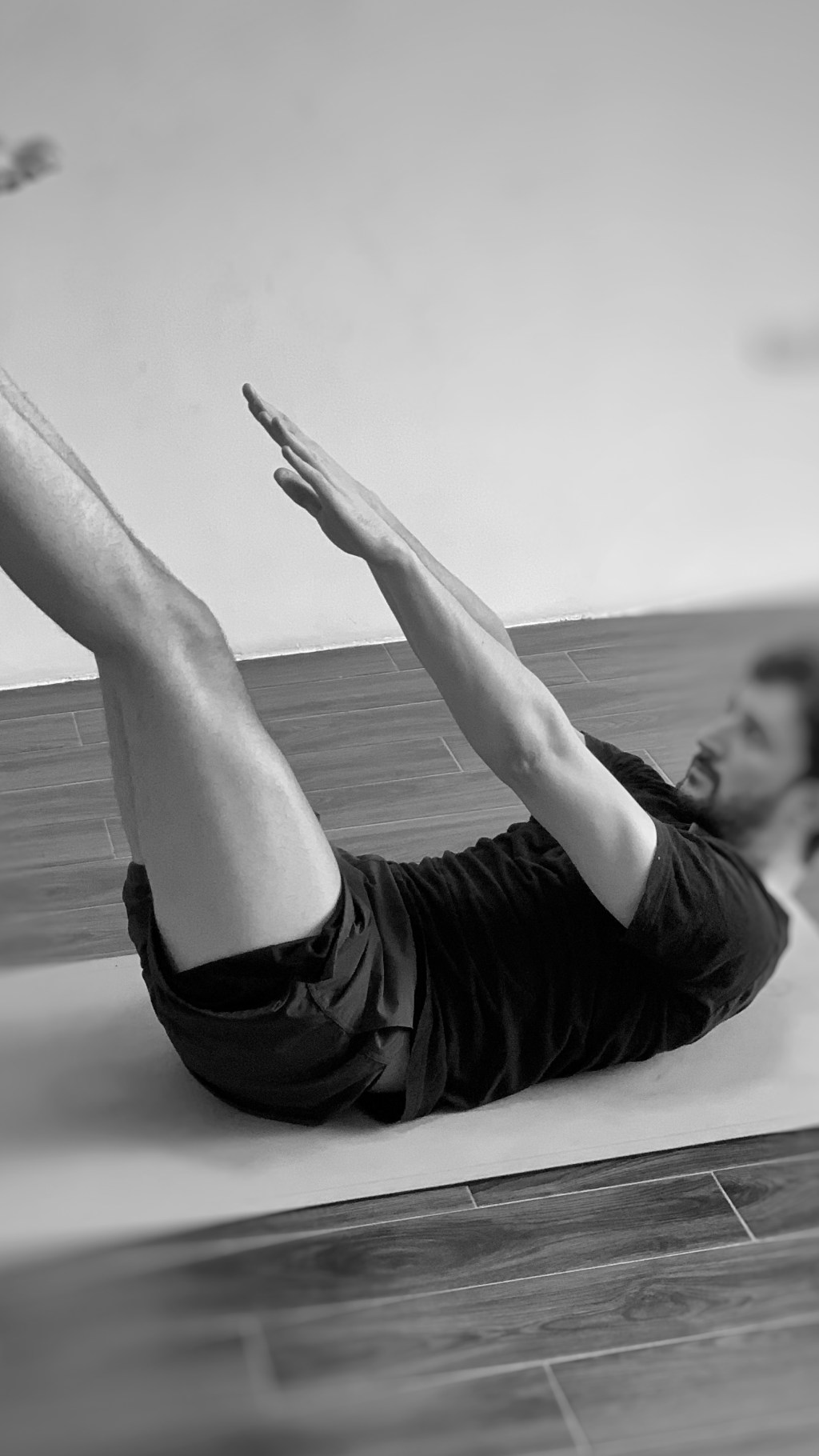
An 18-year-old martial arts practitioner came in for a complimentary check. At first sight he looked like the picture of health: strong build, high muscle mass, and no major history of injury. Yet he reported ongoing tightness in his neck and shoulders, and a recent consultation had already identified that his neck was not in…
-
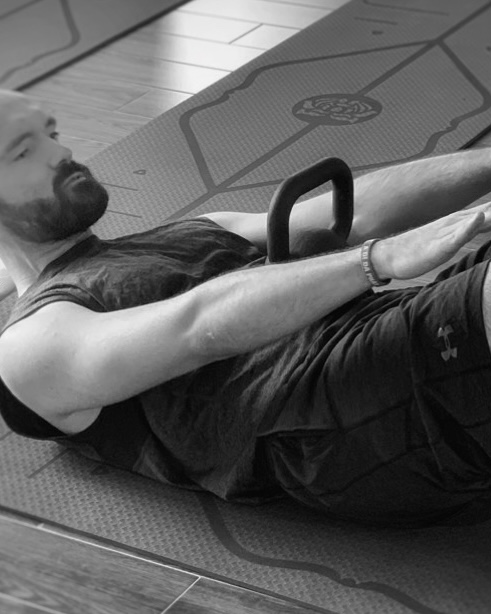
A male client in his 30s presented with knee pain along with recurring neck and lower back discomfort. Assessment revealed a swaying posture, tense hamstrings, weak glutes compensated by tight gastrocnemius, and additional tension in the upper trapezius and pectoral muscles. The overall posture suggested elements of hyperlordosis, kyphosis, and double-crossed syndrome. Pain appeared most…
-

Lower back pain is more common than most people think. Around 80 percent of adults will experience it at least once in their lifetime, and about 20 percent of those cases become chronic, lasting longer than three months. It’s even recognised as the leading cause of disability worldwide by the WHO. One athlete I worked…
-
A male client, around 30 years old, came to training with chronic neck pain. He reported morning stiffness, general discomfort, and occasional shooting pain down the back, due to the sensitivity of his neck, I referred him to check with a hospital. Medical findings revealed: Initially, the pain limited his confidence in movement. Over time,…
-

Chronic lower back pain is common. Thyroid disease is also something I see often, especially in the women who come to my classes. One client I worked with is a senior executive. Her job requires long hours of sitting, numbers, and constant focus. She was diagnosed with degeneration of the lumbar spine with mild disc…
-
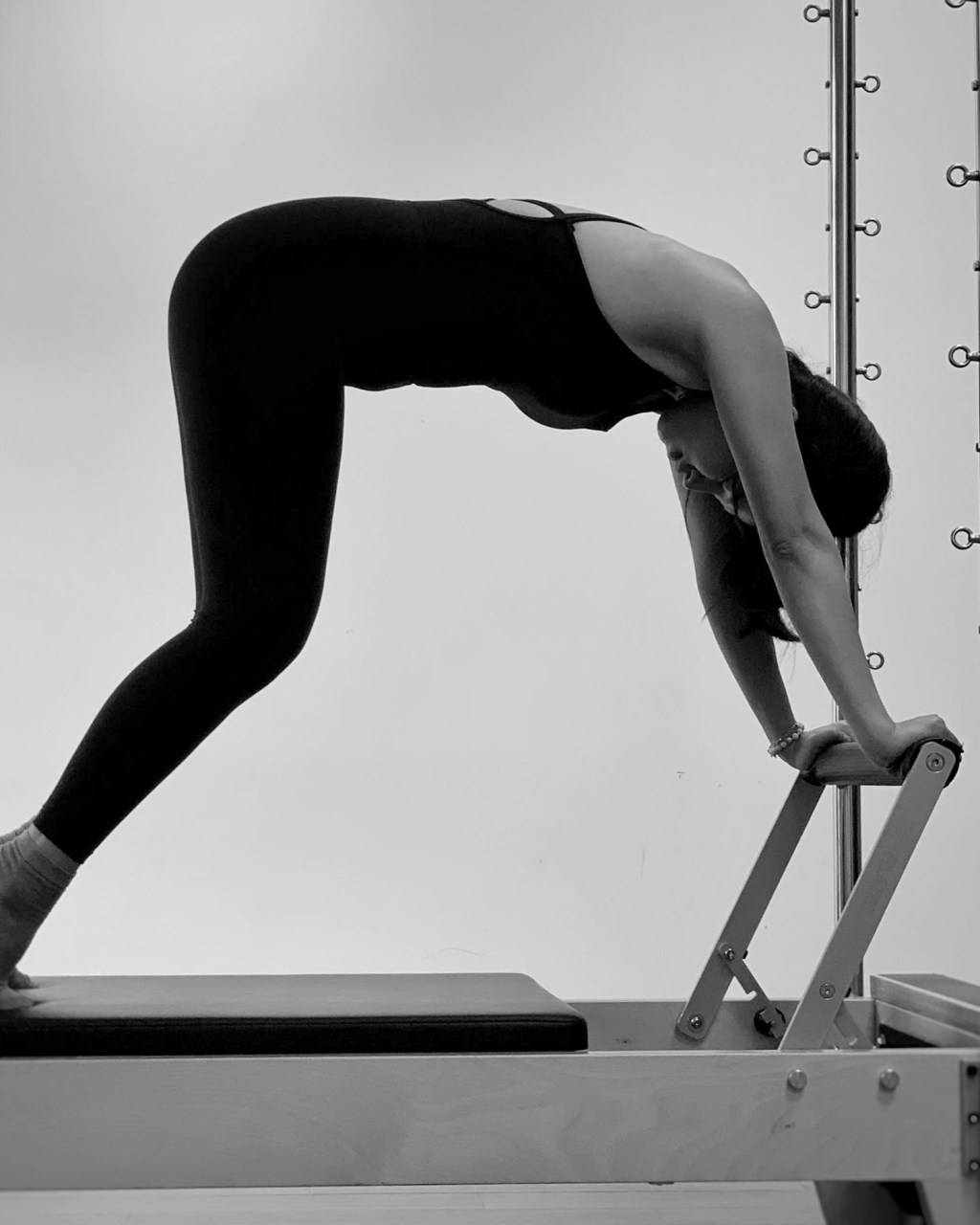
A female client in her mid-30s came to me with persistent neck pain and frequent headaches. She lives an active lifestyle with plenty of walking and regular spa treatments to release muscle tension, but the relief never lasted longer than a day or two. She also experienced dizziness and headaches during workouts, which often forced…
-
Client Story A 19-year-old student came to join class with a doctor’s diagnosis of scoliosis. Her curves were measured at: There was a little rotation in the spine, the ribs pushed out on the right, and her pelvis and shoulders were uneven. The spinal discs were otherwise healthy. Purpose of Training She wanted to stop…
-

During my teaching, I had the unique experience of working with two sets of twins. One pair was under 13, the other over 20. In both cases, one sister had scoliosis. Their families were advised by doctors to explore Pilates and yoga with the goals of improving posture, building body awareness, and developing overall strength.…
-
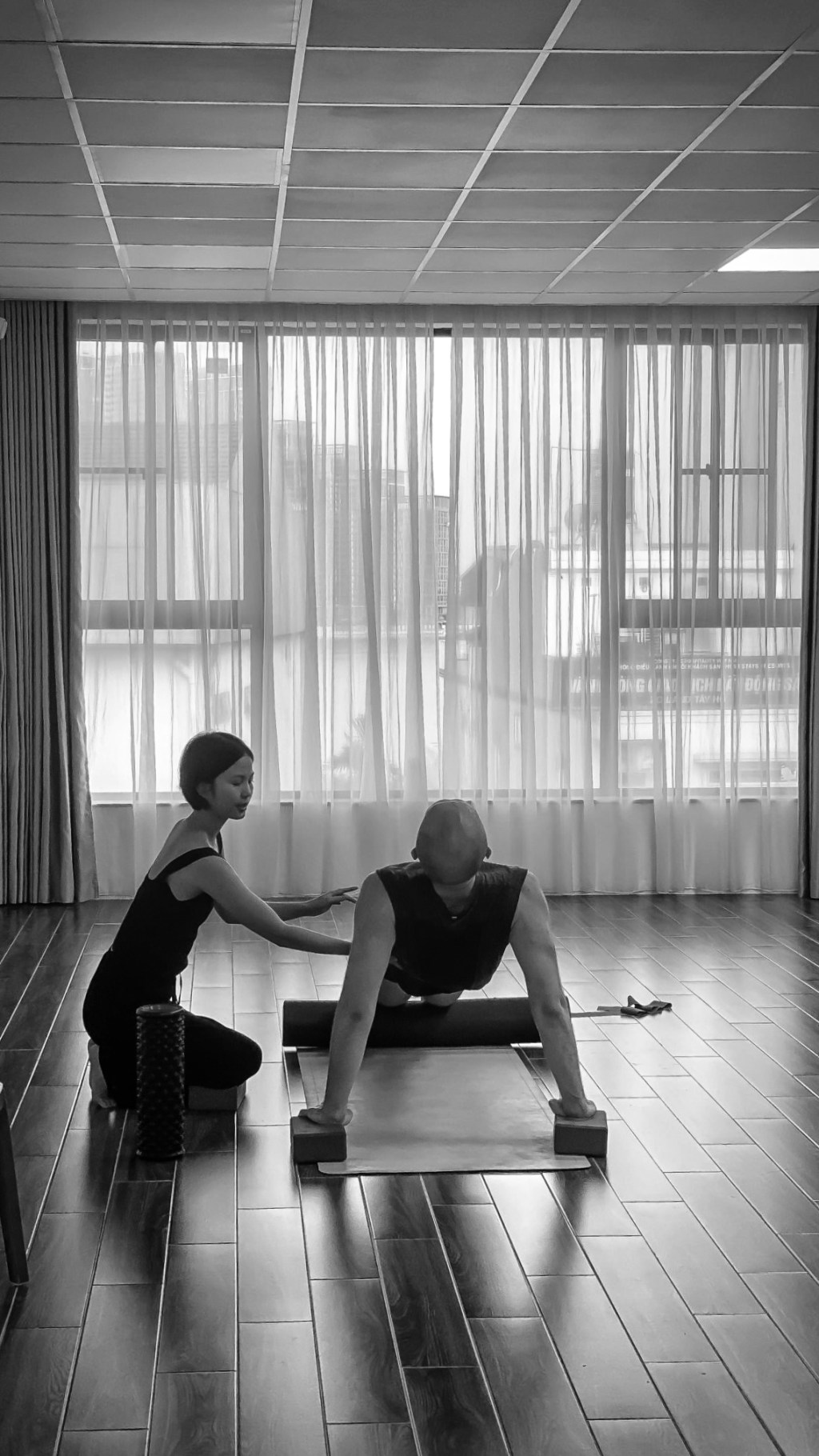
I have always believed that hard work matters, though perhaps not in the way many imagine. Some say, “The harder you work, the more luck you get.” My experience is slightly different: “The harder you work, the harder work gets.” This case illustrates why effort alone is not enough. Careful observation and questioning matter just as much. First Impressions:…
-
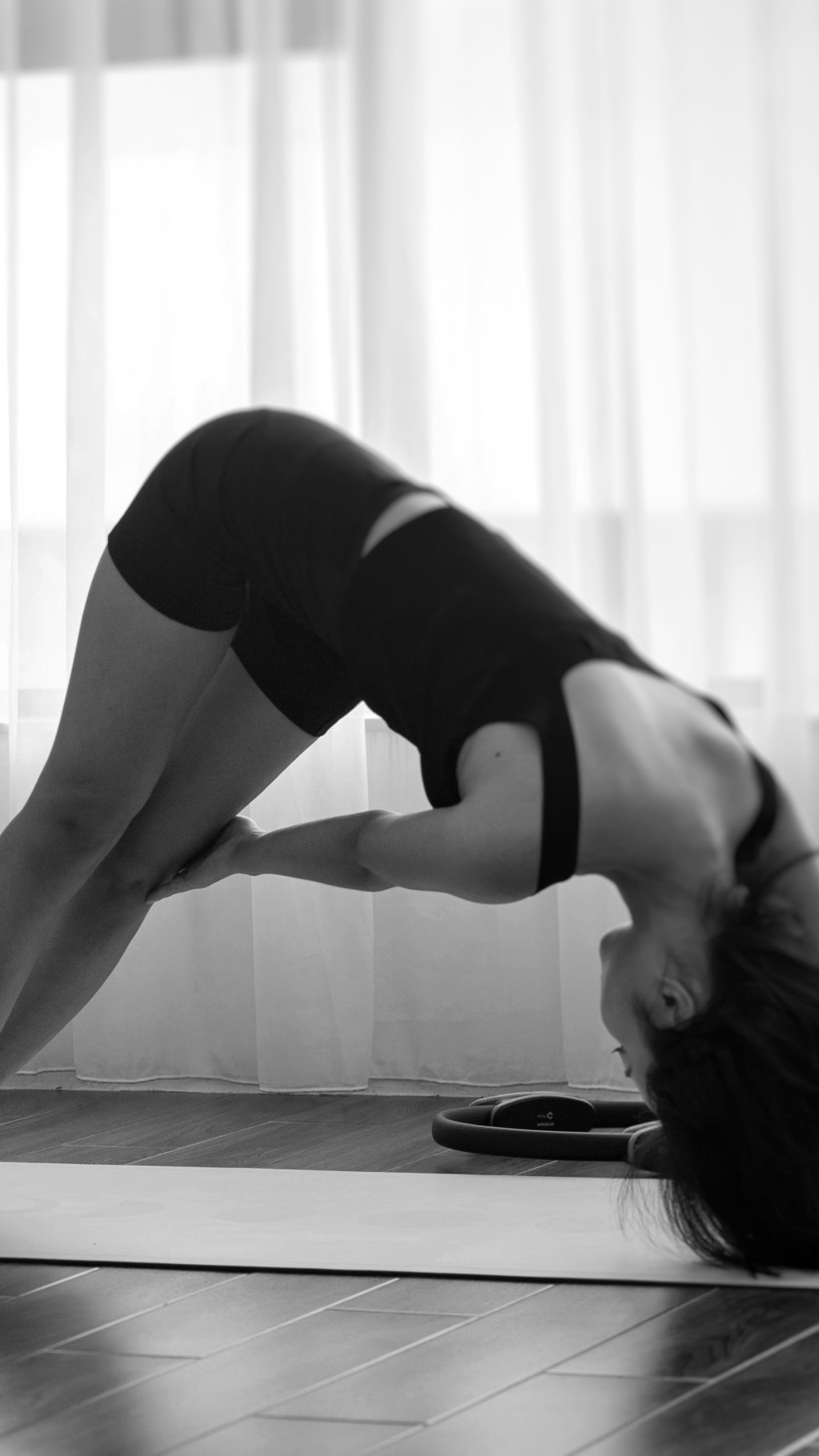
Many people develop pain on the lateral side of the hip, right over the greater trochanter. This is the bony point you can feel on the outside of your upper thigh. Pain here is often linked to the gluteus medius and gluteus minimus muscles, which attach at this spot. These muscles are essential stabilizers, keeping…
-
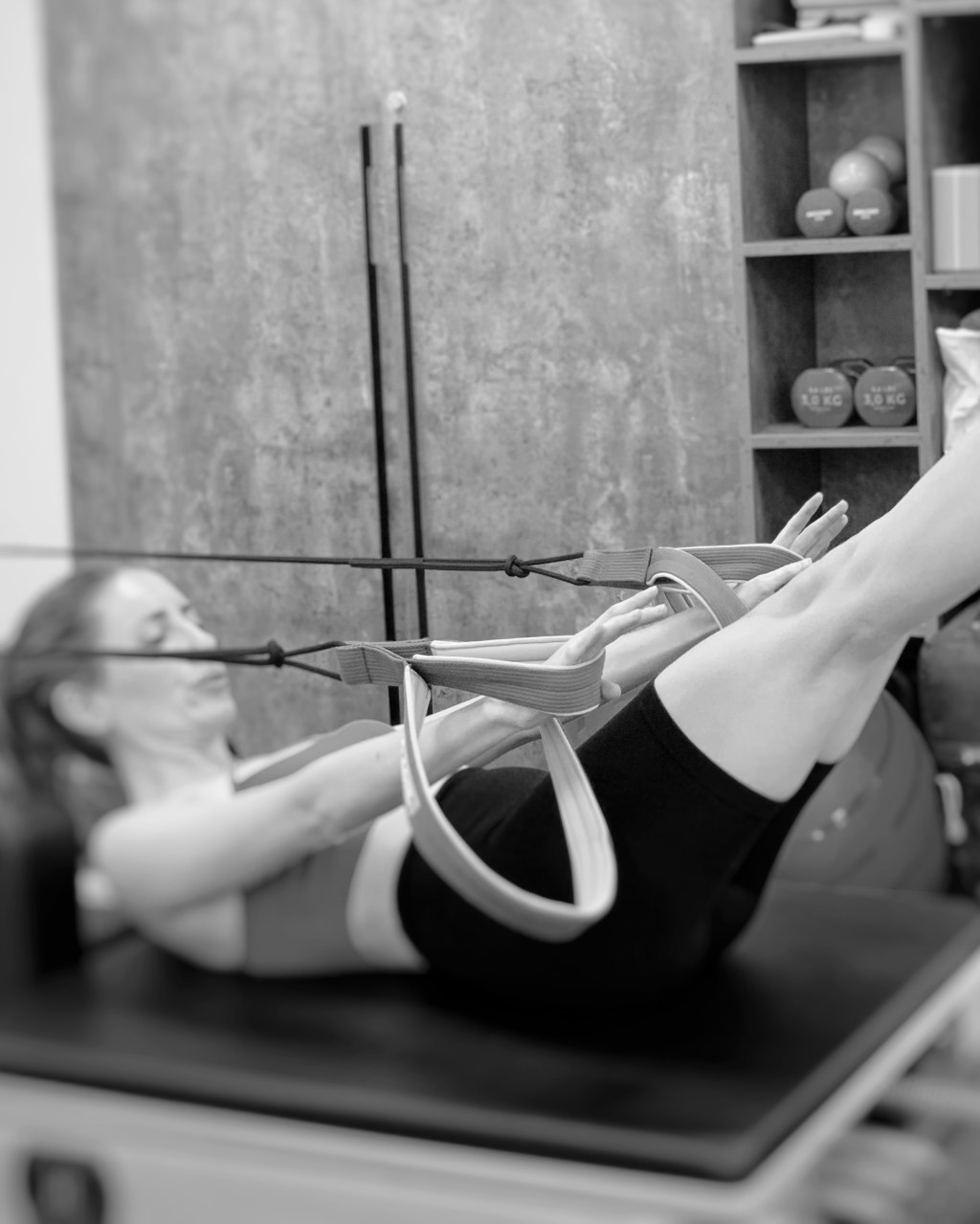
If having all the muscles, and training all the time, doing sport, Crossfit would spare us from having neck, back issues and no injuries, then everyone would go out there and do unsupervised training. At least, that is not the case here. A male over 35, training regularly, always active. Having so much lower back…
-
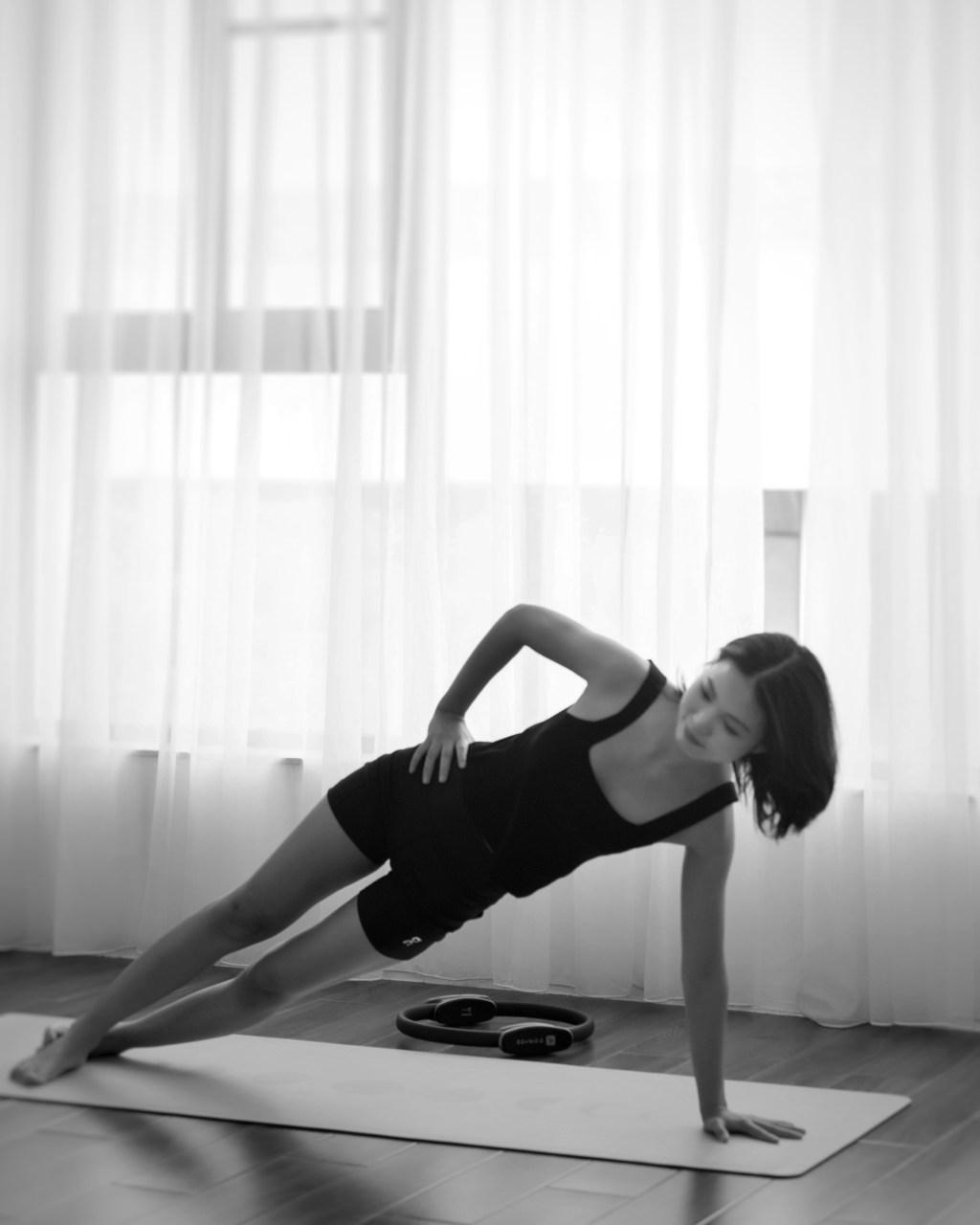
Encounter: 11/11/2022. Singaporean, over 30, office job, female. She booked a flight to Vietnam to visit my then studio for 2 weeks. After assessment, we found her pelvis was uneven, leading to a leg length discrepancy. That, in turn, led to lumbar spine scoliosis, lower back pain, and more. This was a classic cause-and-effect case:…
 Mulberry Whale